To begin with, the question of why bulls have to be covered with shelters appears. Why bother keeping them safe?Why are they abusing them? Why don’t they feel safe and suffer accidents?
Millions of animals all over the world (per year) are abused, neglected, and involved in accidents due to human activity, natural calamities or due to unsafe environments. Animal shelters are a lifeboat to those helpless creatures. Shelters don’t only offer temporary housing,shelters also offer security,healthcare,psychological healing and a new opportunity to live. The themes of this blog are how animal comes about as a result of abuse and accidents and why their labor is the critical aspect of a loving society.
Getting to know Animal Cruelty and Mishaps.
There are numerous forms of animal abuse, which may be physical abuse, starvation, abandonment, illegal breeding, and emotional neglect. On the other hand, accidents are usually as a result of road traffic, construction sites, natural calamities, poisoning or non-supervision. The animals of the streets are especially in danger, though pets may become targets of unsafe houses or inconsiderate owners.
Abused or injured animals will hardly survive without intervention. This is where animal shelters come in and they provide immediate rescue as well as prolonged protection.
Safety of rescue and emergency operations.
Rescue operations are one of the main methods through which the animals are safeguarded through shelters. Numerous shelters operate helplines in emergencies and terms of rescue that can be used in case of an injured, abused or abandoned animals. Such teams are taught to deal with scared or aggressive animals in a safe manner that will cause less damage during rescue.
Emergencies – what to do in the event of accidents, like road carnage or falls – response time is essential. Shelters typically collaborate with local communities, veterinarians, and authorities to be able to provide animals with the necessary assistance in time. It is through shelters that animals are removed out of unsafe conditions and thus they do not suffer again and the chances of recurrent accidents are minimized.
Provide Protective and Secure Shelter.
After rescuing, the animals are then taken to safe shelter grounds where they are guarded against outside risks. Such areas are confined, supervised and arranged in such a way that fights, escape or exposure to bad weather is avoided.
Sheltering with Protection and Safety.
After animals are rescued, they are taken to safe shelter places that ensure that animals are not exposed to any form of external danger. These areas are fenced, guarded, and arranged in such a way that they do not allow fighting, escaping, or exposure to the adverse weather conditions.
Depending on the species, size, age and medical condition, separate enclosures are frequently offered. The effect of this segregation is that it minimizes stress and eliminates aggression-related injuries or injuries due to overcrowding. In the case of abused animals, they need a serene and secure environment in order to recover physically and emotionally.
Rehabilitation and Medical Care.
Animal protection through medical care is one of the pillars of the animal shelter. The rescued animals are often fractured, wounded, infected, or malnourished or having chronic diseases. Shelters give care to vets, surgeries, vaccinations and routine health check ups.
In addition to the immediate treatment, shelters are aimed at rehabilitation. Wounded animals receive physiotherapy, nutrition and slow socialization. Victims of abuse are usually scared or aggressive, which is why shelters show patience in restoring their confidence in humankind. This physical and emotional recovery helps to minimize the chances of harm in the future to a considerable degree.
Protection AgainstFurther Abuse.
The shelters provide a distance between the animals and abusive circumstances. Shelters take custody of the animals of the negligent or violent environments to make sure that they are no longer subjected to cruelty. Lots of shelters cooperate with law enforcement and animal welfare organizations to report the cases of abuse and help to take legal steps against criminals.
In certain areas, shelters are actively involved in the observation of animal cruelty legislation, assisting the police in locating those who are violent or repeat offenders, and lobbying against more stringent measures. This does not only safeguard animals that are rescued but also stops other animals in the society from being abused.
Incineration and Contraception.
Animal suffering is significantly due to over populations. Breeding will result in more animals on the streets, and this will cause more accidents, starvation and abuse. Shelter solves the problem by the use of sterilisation and spaying /neutering programs.
In managing animals, shelters will decrease the level of competition, aggression, and exposure of animals to unfavorable conditions that can cause diseases in the animals. The ultimate result of population control is the reduction of road accidents and abandonment.
Training and Socialization of Behavior.
Most animals who are abducted and rescued are not trained properly or even have social skills. Shelters also spend time in behaviour training to enable the animals to learn safe interaction with human beings. Positive reinforcement is applied by trained personnel and volunteers to learn how to make animals respond calmly to people and other animals.
The training minimizes the possibility of accidents due to fear – induced behavior like biting or running into the traffic, well – socially conditioned animals will also be adopted into responsible homes, which keeps them even safer.
Adoption and Responsible Rehoming.
Providing shelter through responsible adoption is one of the long term protective measures that the shelter provides. Shelters also select adopted persons thoroughly to have the animals in secure and nurturing homes. This usually involves interviews, home visits, and enlightenment on how to take good care of animals.
Shelters can minimize the possibilities of abandonment, neglect or unintentional harm, through matching of animals to the right families. The adoption of animals does not only provide animals with a long-term home but also helps rescue more animals in need because of freeing up precious space in shelters.
Education and Community Awareness.
Shelters not only save lives but they also enlighten communities. Shelter create awareness of the rights of animals, responsible pet ownership and accident prevention through shelter workshops, school school programs and social media campaigns.
Communities with higher education will be less tolerant of abuse and more cautious than not, like speeding up at animal crossings or making space in the vicinity of animals. This preventative measure contributes greatly to the minimization of instances of cruelty and mishaps in the long run.
Crisis Support and Disaster Preparedness.
In the course of some natural calamities such as, floods, earthquakes or fires. Animals are left out victims. Most shelters come up with disaster response strategies to evacuate and save lives of animals in case of an emergency. Shelters, rescue cramps, and emergencies. In such crisis situations, temporary shelters, rescue camps and emergency medical care save a million lives.
Through disaster preparation, shelter make sure that the animals are not left behind in dangerous conditions and as a result, enhancing their protection guard-like nature.
Education and Community Awareness
Shelters do more than rescue animals; they educate communities. Through workshops, school school programs and social media campaigns , shelters raise awareness about animal rights, responsible pet ownership, and accident prevention.
Educated communities are less likely to tolerate abuse and more likely to take precautions, such as slowing down near animal crossings or providing safe space for animals. This preventive approach significantly reduces cases of cruelty and accidents over time.
Disaster Preparedness and Crisis Support
During natural disasters like, floods, earthquakes, or fires. Animals are forgotten victims. Many shelters develop disaster response plans to evacuate and protect animals during emergencies. Temporary shelters, rescue cramps, and emergencies. Temporary shelters, rescue camps, and emergency medical care save countless lives during such crises
By preparing for disasters, shelters ensure animals are not left behind in dangerous conditions, further reinforcing their role as protectors.
Emotional Healing and Second Chances
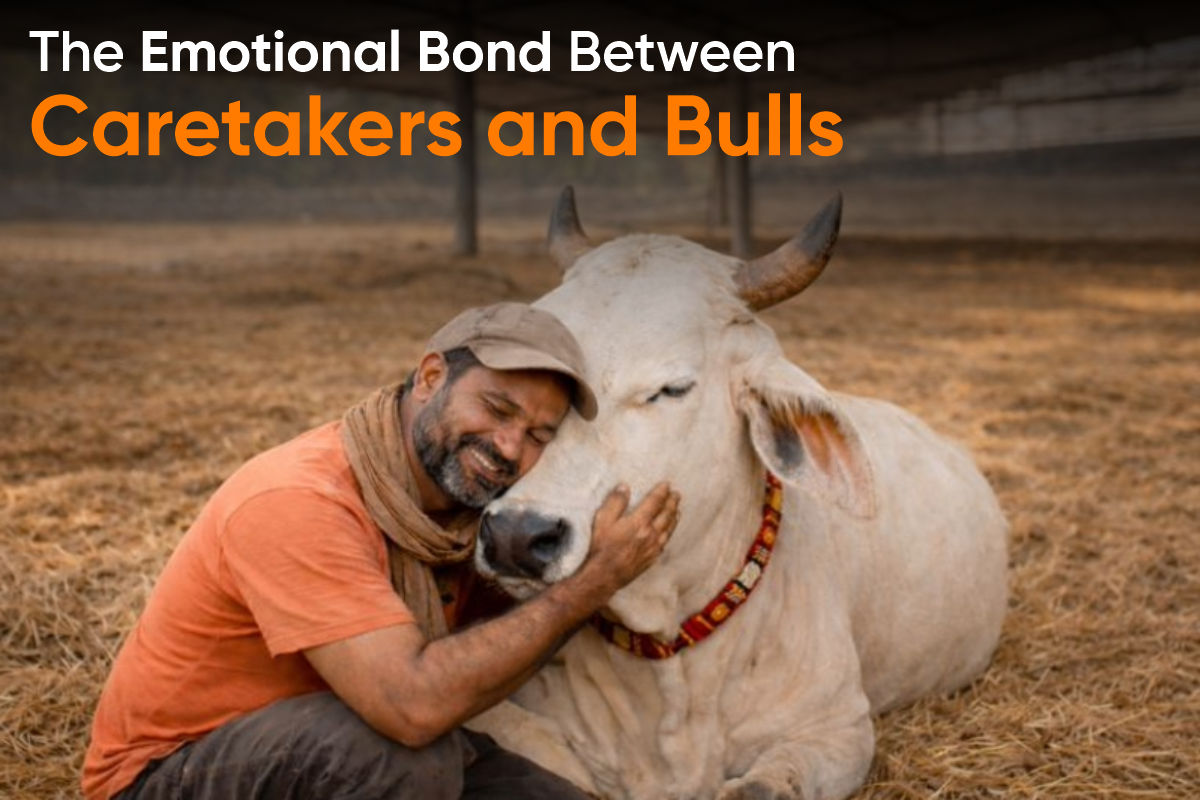
Beyond physical protection, shelters provide emotional healing. Animals that have faced abuse often suffer from anxiety, depressions or fear. A stable environment, gentle care and consistent routines help them regain confidence.
The emotional recovery is vital in preventing future accidents caused by panic or stress. Shelters give animals something they often lose due to abuse: trust and hope.
Conclusion
Animal shelters are far more than holding facilities, they are sanctuaries of safety, healing and transformation. By rescuing animals from abusive situations, providing accidents, and emotional care, preventing accidents and promoting responsible adoption, shelters play a vital role in protecting vulnerable animals.
Their work not only saves individual lives but also shapes a more compassionate and responsible society. Supporting animal shelters through adoption, volunteering or donations is a powerful way to stand against abuse and accidents and to give aniamls the safe, dignified lives they deserve.


