


Sustainable agriculture is becoming increasingly important in India and across the world. As we look for ways to reduce environmental impact while maintaining productivity, traditional farming methods offer invaluable lessons. One remarkable example comes from Badad Ashrams, where oxen, or “badads,” are at the heart of farming practices. These ashrams blend spiritual living with eco-friendly agriculture, creating a model that benefits both people and the environment.
Integrating Oxen in Farming Practices
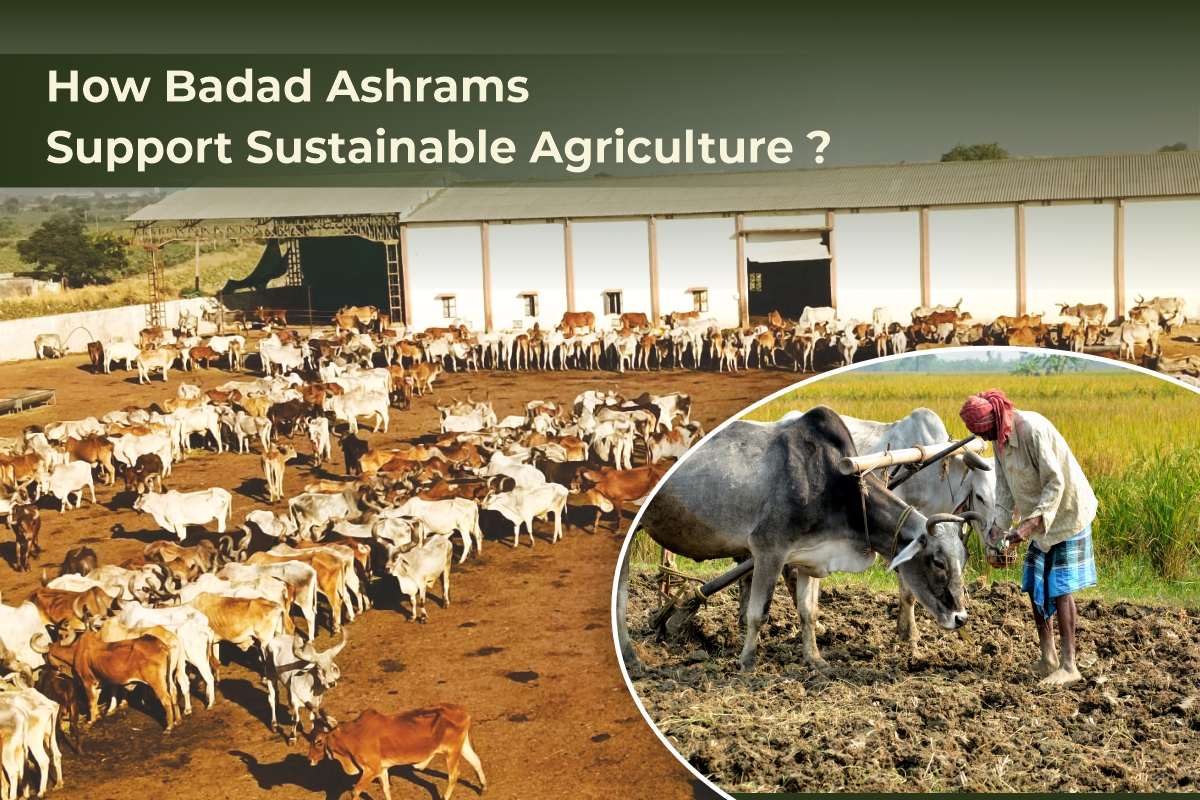
At Badad Ashrams, oxen are not just animals; they are partners in the fields. These draft animals are used for plowing, planting, and other labour-intensive tasks that would otherwise require fuel-powered machinery. Using oxen reduces the carbon footprint, preserves soil structure, and helps maintain the natural fertility of the land. Unlike modern tractors, oxen-powered plowing is gentle on the soil, preventing erosion and retaining essential nutrients.
By relying on oxen, these ashrams demonstrate that sustainable farming does not always require high-tech machinery. This traditional method is cost-effective and energy-efficient, while also preserving a deep connection between humans, animals, and the land.
Organic and Natural Fertilizers
Chemical fertilizers may offer quick results, but they often harm soil health and ecosystems over time. Badad Ashrams follow a different approach, using cow dung, compost, and other natural fertilizers to enrich the soil. This not only promotes long-term fertility but also reduces dependence on synthetic chemicals.
Natural fertilizers improve the soil’s water retention, support beneficial microorganisms, and encourage a healthier crop yield. This approach aligns perfectly with sustainable agriculture principles, proving that productivity and environmental care can go hand in hand.
Crop Diversity and Traditional Techniques
Crop rotation and polyculture are common practices at Badad Ashrams. By growing different crops in succession, the soil maintains its nutrients and fertility naturally. Indigenous seed varieties are preserved and nurtured, protecting local biodiversity.
These traditional techniques ensure that farming is resilient to pests, diseases, and changing climatic conditions. Rather than relying on pesticides and monocultures, the ashrams demonstrate how diverse cropping systems can sustain both the environment and local communities.
Water Conservation and Eco-Friendly Irrigation
Water scarcity is a growing challenge in agriculture. Badad Ashrams address this through time-tested irrigation methods, such as check dams, ponds, and ox-powered water lifting. These practices help conserve water, reduce wastage, and ensure that crops receive the right amount of moisture.
By integrating traditional water management with modern understanding of sustainability, these ashrams maintain soil health and water balance. Their methods show that thoughtful, low-impact irrigation can be just as effective as high-tech solutions.
Community and Knowledge Sharing
Badad Ashrams are not just farming hubs; they are centers for education and community engagement. Farmers, students, and volunteers come to learn about sustainable agriculture, organic farming, and animal-assisted techniques. Workshops and hands-on training sessions help spread this knowledge to surrounding villages, empowering more communities to adopt eco-friendly practices.
This combination of farming and education strengthens the local economy while fostering a culture of sustainability. By sharing knowledge openly, Badad Ashrams ensure that traditional wisdom continues to thrive alongside modern agriculture.
Environmental and Spiritual Harmony
Sustainable agriculture at Badad Ashrams is deeply connected to spiritual principles. Farming is conducted in harmony with nature, respecting local ecosystems and the animals involved. This mindful approach encourages farmers to think beyond yield and profit, focusing instead on regeneration, balance, and long-term well-being.
The spiritual perspective nurtures a sense of responsibility toward the environment. It reinforces the idea that humans, animals, and land are part of a larger interconnected system, and that sustainable practices benefit everyone.
Economic and Social Benefits
Ox-driven farming and organic practices at Badad Ashrams also offer practical advantages. Reduced reliance on machinery and chemical inputs lowers costs, making farming more financially sustainable. At the same time, community-based agriculture strengthens local food systems and creates self-reliant villages.
By combining ecological, spiritual, and social principles, these ashrams offer a holistic model of sustainable agriculture. Farmers are not only supported economically but are also empowered to maintain practices that protect the environment for future generations.
Badad Ashrams present a unique model of sustainable agriculture in India. By integrating oxen into farming, using organic fertilizers, conserving water, and preserving biodiversity, they demonstrate that traditional wisdom and eco-friendly practices can coexist with modern needs. These ashrams provide education, community support, and a spiritual perspective that encourages mindful, regenerative farming .For anyone interested in sustainable agriculture, the lessons from Badad Ashrams are clear: working with nature, rather than against it, creates resilience, prosperity, and harmony. Through these practices, communities can cultivate not only crops but also a sustainable way of life that benefits people, animals, and the planet alike.