



In today’s fast-paced life, we often forget our connection with nature. Phones, computers, and concrete jungles keep us busy, but our minds and bodies crave a simple, natural connection. One of the most grounding ways to reconnect is through soil. Soil is not just dirt, it is life itself. Engaging with soil by planting seeds, maintaining gardens, or simply touching the earth can have profound effects on mental, physical, and emotional well-being.
Emotional and Mental Benefits
Working with soil is naturally therapeutic. Scientists have found that soil contains microorganisms called Mycobacterium vaccae, which trigger the release of serotonin, a chemical in our brain responsible for happiness and calmness. When we dig, plant, or touch soil, it can reduce stress, anxiety, and even mild depression.
For children, soil engagement sparks curiosity and imagination. They learn by observing seeds sprout and grow into saplings. Adults find peace in the simple rhythm of planting and watering. Even a few minutes spent tending to a garden can improve mood, clear the mind, and encourage mindfulness.
Physical Health Benefits
Gardening is mild exercise that strengthens muscles, improves flexibility, and burns calories. Activities like digging, lifting soil, and watering plants are gentle workouts for both adults and children. Exposure to sunlight while working outdoors also boosts vitamin D levels, which is important for bone health and immunity.
Moreover, being in contact with soil improves immunity. The natural microbes in the earth can help build resistance to certain allergens and bacteria, making our bodies stronger over time.
Spiritual Connection with Nature
Soil teaches patience and mindfulness. Every seed takes time to grow, reminding us that progress cannot be rushed. Nurturing a plant becomes a meditative practice. Observing the transformation from seed to sapling, and eventually to a flowering or fruit-bearing plant, creates a deep sense of satisfaction and spiritual connection.
Children and adults alike experience a sense of wonder and accomplishment. Soil engagement also instills gratitude for nature’s cycles and reinforces the understanding that we are a part of a larger ecosystem.
Educational and Cognitive Benefits
Engaging with soil offers practical learning experiences. Children learn about plant biology, ecosystems, and the importance of water and sunlight. They understand the role of soil in supporting life and can see firsthand how plants grow, flower, and bear fruit.
This hands-on education improves observation skills, critical thinking, and curiosity. Instead of learning concepts from a textbook alone, children experience the science of life in a tangible and memorable way.
Community and Social Benefits
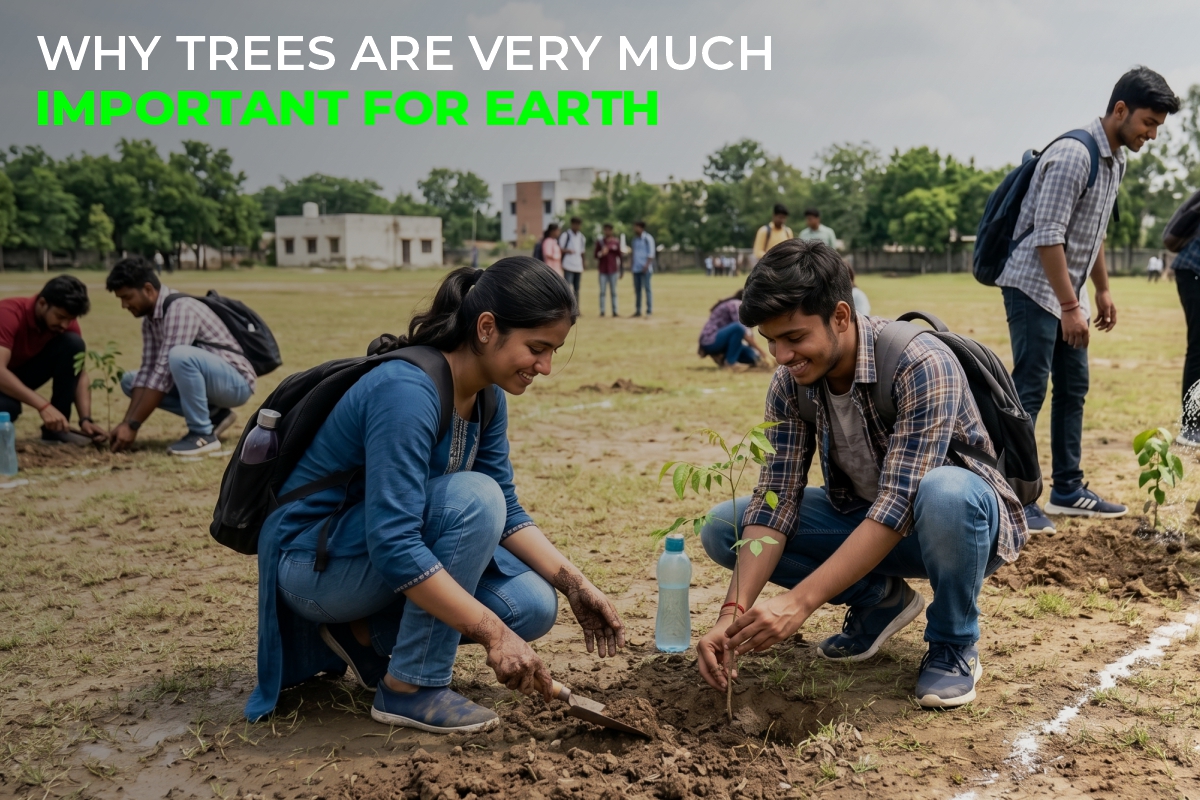
Gardening or planting trees can also strengthen social bonds. When families or communities come together for a plantation drive, they share knowledge, teach traditions, and work collectively. Children learn teamwork and cooperation, while adults connect with neighbors and friends.
Community gardens and urban green spaces bring people together, fostering a sense of belonging and shared purpose. These spaces often become venues for local events, educational workshops, and nature awareness programs.
Environmental Awareness
Spending time with soil nurtures a sense of responsibility towards the environment. Gardeners naturally learn to conserve water, compost organic waste, reduce chemical use, and appreciate the importance of biodiversity. Children who engage with soil develop eco-conscious habits early in life, which often continue into adulthood.
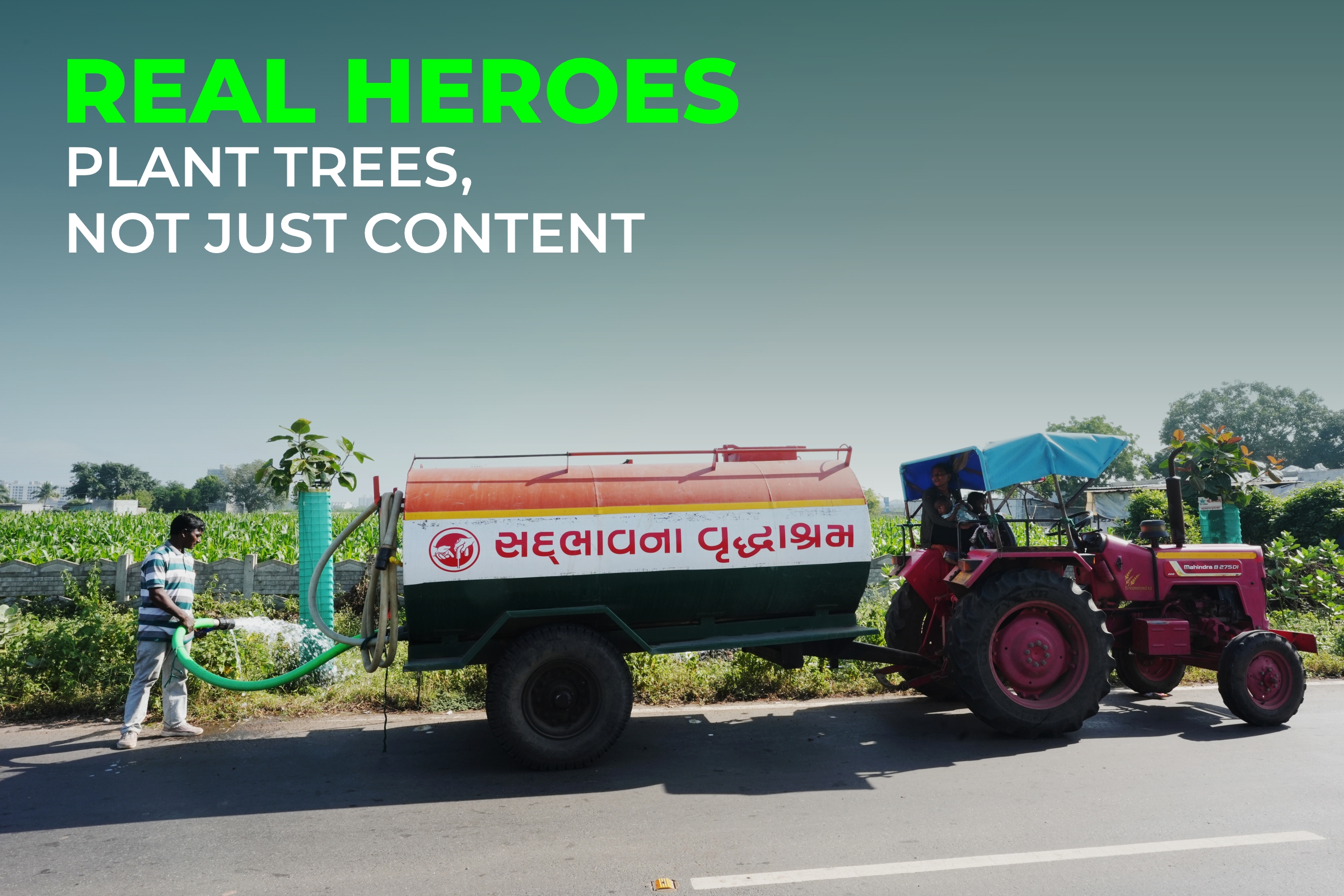
By planting trees, shrubs, or vegetables, people contribute directly to improving air quality, supporting wildlife, and maintaining the local ecosystem. Even small personal gardens have a significant cumulative effect on urban and rural environments.
Therapeutic and Psychological Benefits
Horticultural therapy is widely recognized for reducing stress, anxiety, and depression. The process of tending to plants encourages a positive mindset and enhances emotional resilience. The act of touching soil, planting seeds, and caring for growing plants stimulates multiple senses sight, touch, and smell creating a holistic therapeutic experience.
For children, gardening can improve focus, patience, and self-esteem. They learn that nurturing life requires attention and consistency. Adults, on the other hand, experience a calming effect that can help manage daily stress and emotional fatigue.
Long-Term Benefits and Sustainability
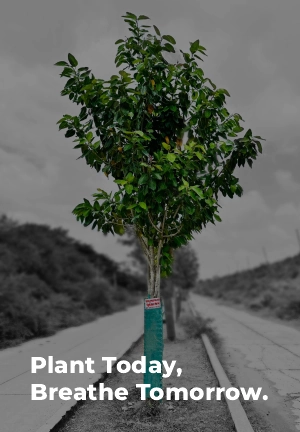
Engaging with soil is not only personally beneficial but also environmentally responsible. Planting trees and maintaining gardens improves air quality, reduces urban heat, prevents soil erosion, and promotes local biodiversity. Over time, these efforts contribute to a healthier planet while creating beautiful, green spaces for everyone to enjoy.
For communities, creating green areas through soil engagement promotes sustainability. Vegetable gardens, flower beds, and tree plantations provide resources, food, and habitats for birds and insects. Children learn the importance of caring for these spaces and develop a long-lasting appreciation for nature.
Conclusion
Connecting with soil is more than a hobby it is a path to mental, physical, and spiritual well-being. It nurtures patience, responsibility, mindfulness, and environmental awareness. From children planting seeds to adults tending community gardens, the benefits are profound and long-lasting.
Every act of engaging with soil, no matter how small, is a step toward a healthier, happier, and more sustainable life. Soil reminds us that growth takes time, care is essential, and nature rewards those who give attention and love. In a world dominated by technology and concrete, soil keeps us grounded, connected, and aware of the beauty and simplicity of life.