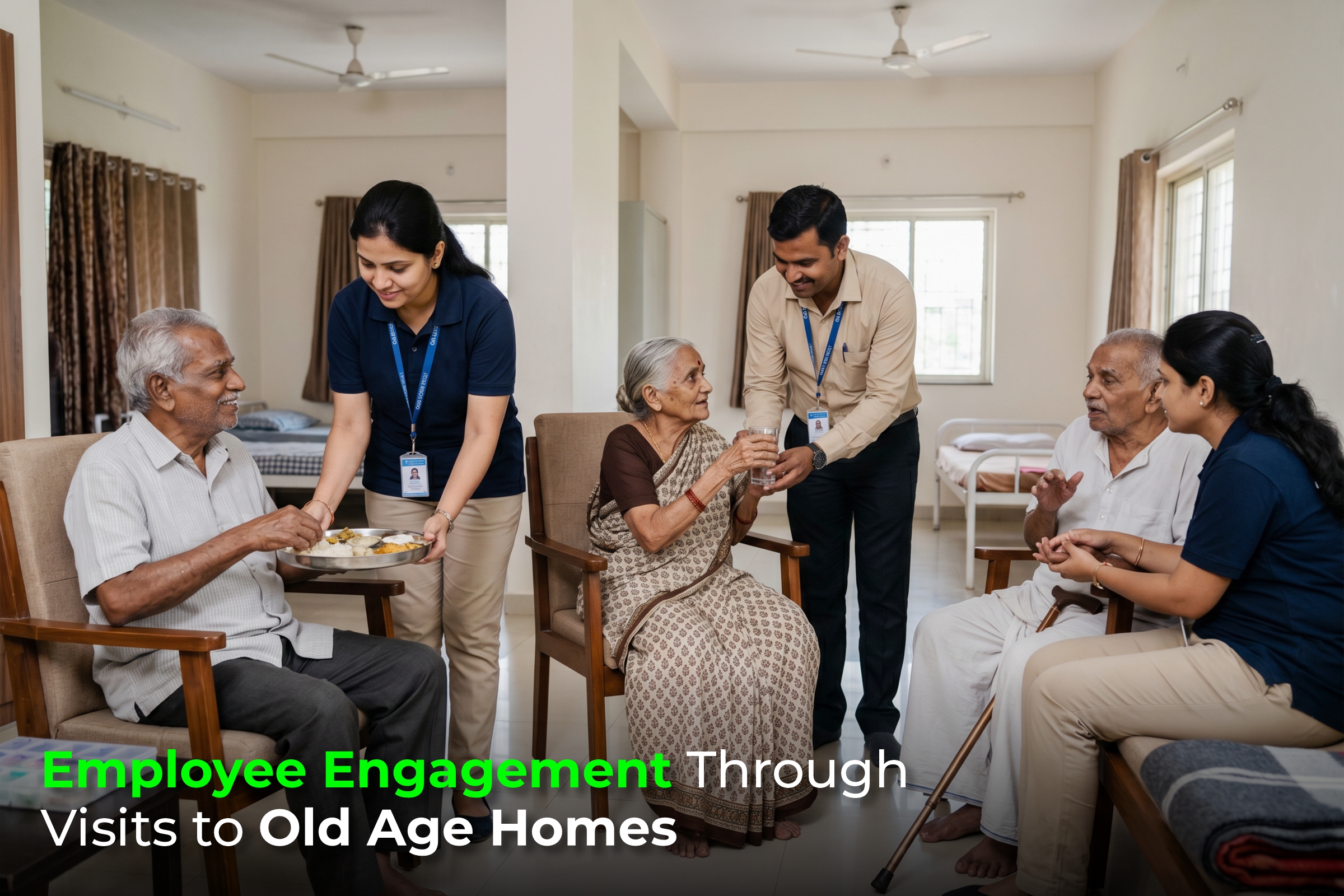



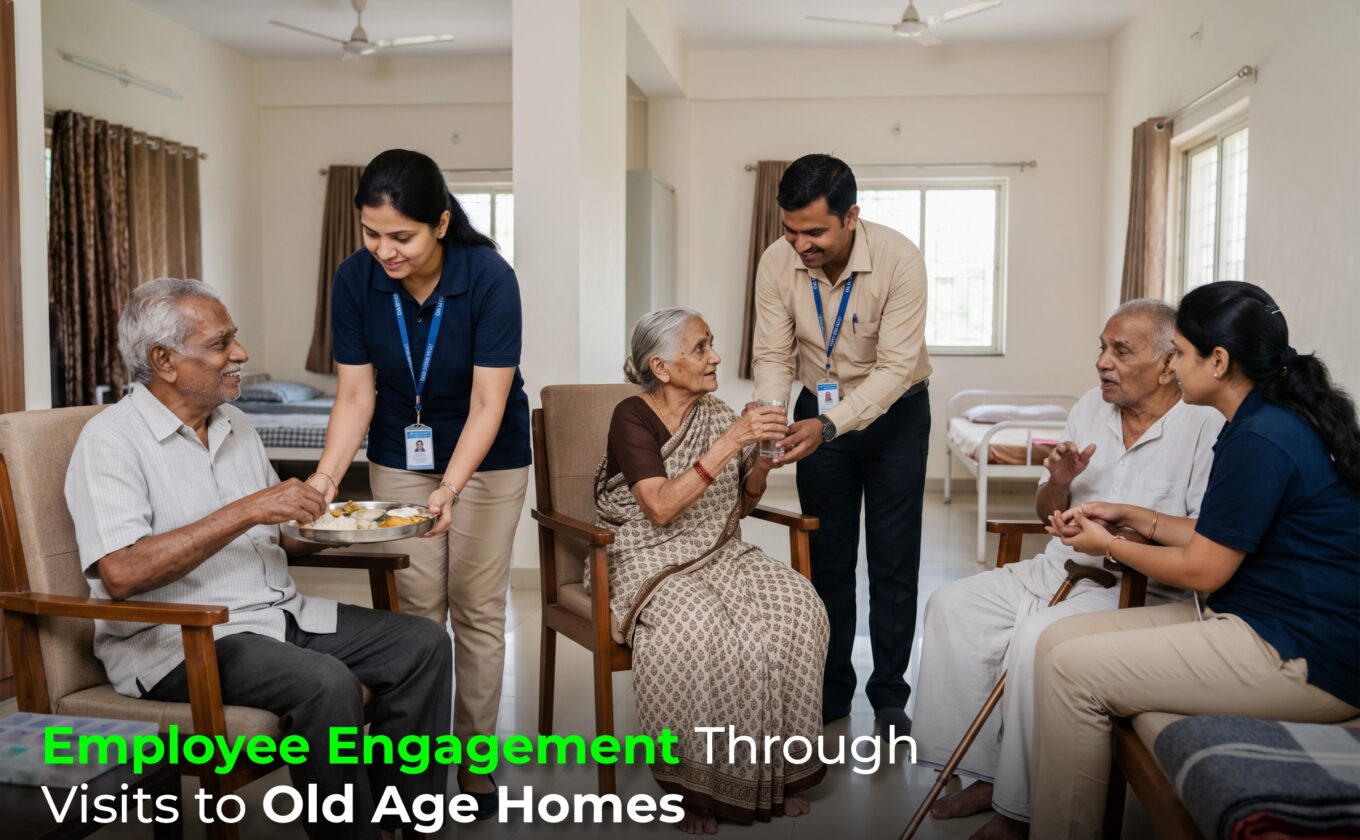
Creating Employee Engagement by visiting an Old Age Home.
For years, employee engagement has been regarded as a challenge to be met by HR with pizza parties, ping pong tables, and quarterly bonuses. These benefits work, but don’t typically foster the kind of relationship that makes a workplace a community. There is one program that has been extremely effective without being so widely known: visits to old age homes with employees. It’s easy, affordable, and very human and it’s changing the way leading businesses approach things like engagement, culture, and corporate social responsibility.
Old Age Home Visits Matter
Old age homes accommodate people who are likely to feel lonely, have limited social interactions and feel a need for companionship. Any employee visiting a group for a few hours can give them a real smile on their faces, and lift the dullness of their day. The advantages are not limited, however. The visits often become one of the most memorable experiences a worker has had in their working life and are more meaningful than most team outings or awards days.
This is because this is something that perks and bonuses can’t access, which is the purpose. If employees feel that their work and their company are more than just about money, their sense of belonging increases tremendously.
The Engagement Benefits for Organizations
1. Develops empathy and emotional intelligence.
Empathy is developed by spending time with the elderly residents, listening to their stories, and understanding what struggles they face. This emotional intelligence is carried over to the workplace, enhancing the interpersonal skills, conflict resolution abilities, and team collaboration of employees during challenging times.
2. Strengthens Team Bonding
The true teamwork that is built when working as a team during an act of volunteering is different from a typical team building activity, which can feel forced and gimmicky. This gives employees a fresh perspective on one another that can benefit their team work when they return to their work stations under pressure from deadlines and targets.
3. Improves staff morale and job satisfaction
Research on corporate volunteering continues to demonstrate that corporate volunteers experience an increase in their job satisfaction, sense of belonging and level of pride in their organization. Visits to old age homes, especially, have a lasting impact emotionally, since it is a personal and heartfelt encounter.
4. Enhances Employer Branding
Employees and potential employees have a more positive attitude towards companies that are actively involved in social good. Millennials and Gen Z are especially concerned about working for an organization that has a social conscience. Such regular community projects become a topic of conversation in recruitment and retention practices.
5. Reduces Burnout
Periodic visits give workers a chance to get away from repetitive work cycles. Giving back has been proven to lower stress hormones, enhancing the mental health of the recipient thus making them visit an indirect but effective way to combat workplace burnout.
How to set up an Old Age Home Visit Program
Work with a Trustworthy Organization
Recognize old age homes/NGOs working in the elderly care services. Develop a long-term relationship, not a one-off visit, for consistency and impact.
Set Clear Objectives
Decide on the purpose of the visit, whether companionship or cultural programmes, health check-up camps or donation drives. Having a clear direction in planning activities.
Make Participation Voluntary
Volunteering can have a negative effect if it’s done under compulsion. Employees should volunteer for a participation in the program, not be required to take part. This helps to maintain the authenticity of the experience.
Plan Engaging Activities
The simple things are best: Story time, music, games, art and craft, or tea and chat. The focus is on connection not performance.
Encourage Regular Visits
One visit makes one experience, a continuous program makes one relationship. Regular visits, either quarterly or monthly, give employees and residents time to become familiar and trust each other.
Get feedback and tell stories.
Following each visit, have employees reflect on their experiences and share it with others internally, via a newsletter, social media or town halls. This makes the impact of the story more emotional and encourages more involvement.
The year was 1940.It was in 1940.
The most successful companies see old age home visits as more of a reflection of their values than a corporate social responsibility obligation. If leadership is leading the way and engaging with the employees, it’s a strong message that it’s not just in a policy book, it’s part of the culture.
Conclusion
There is no need to have a complicated strategy or big budget to boost employee engagement. The simplest things can make a difference, like listening to the stories of an older adult and sharing a meal or holding hands for an hour. Visits to old age homes provide employees with an opportunity to break out from their daily routine and gain empathy, gratitude and purpose. In the process, organisations are not simply creating better employees, they are creating better human beings, and that is true engagement.
- 4 days Ago
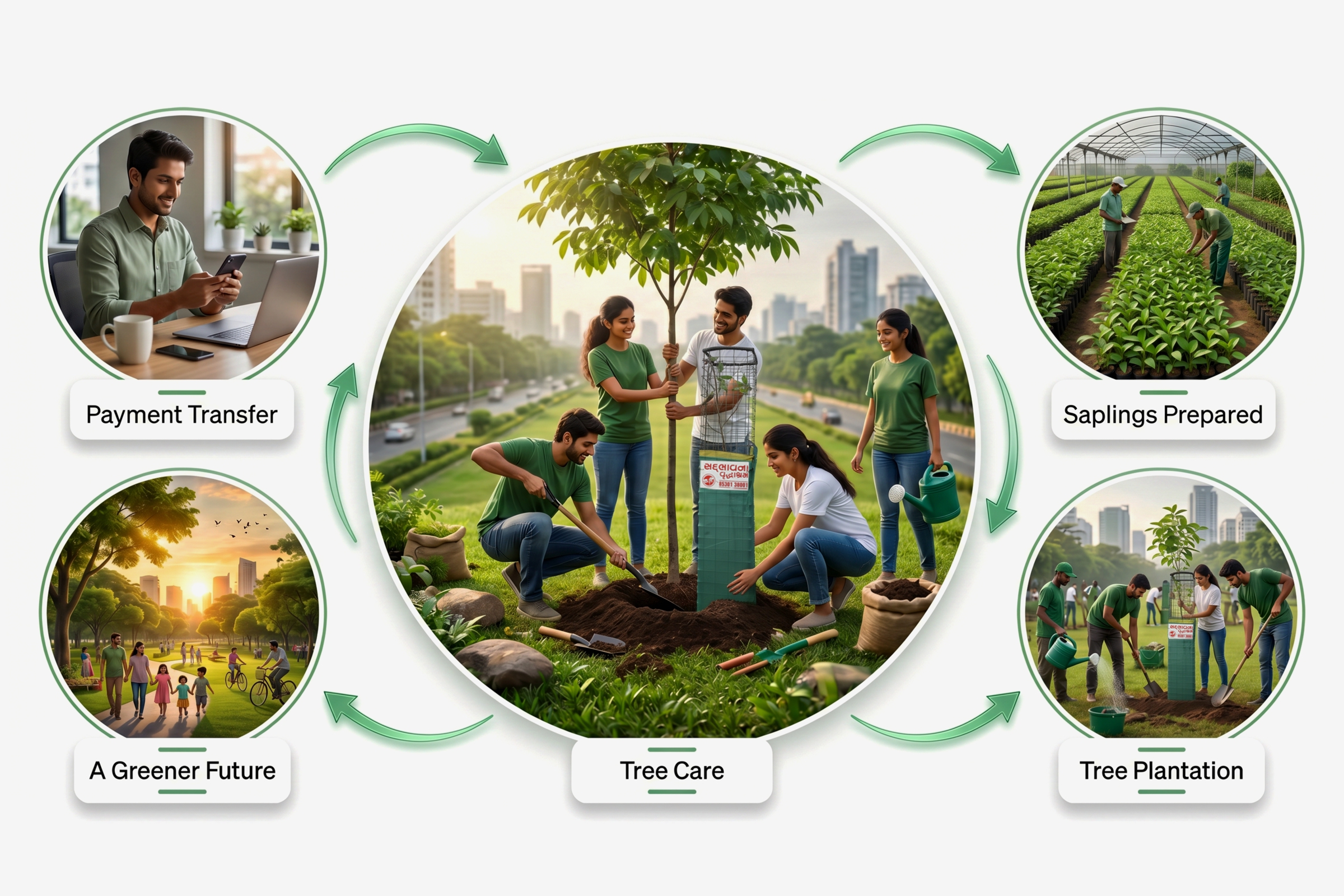
Your participation has a remarkable impact by including nature and countless forms of life that depend on healthy ecosystems.Usually, people have a common question about...

- 1 week Ago
Where does the amount of ₹51,000 donated go? Breakdown of the Guardian Sponsor program at Sadbhavna Vrudhashram You must have read the headline, “Become a...

- 2 weeks Ago
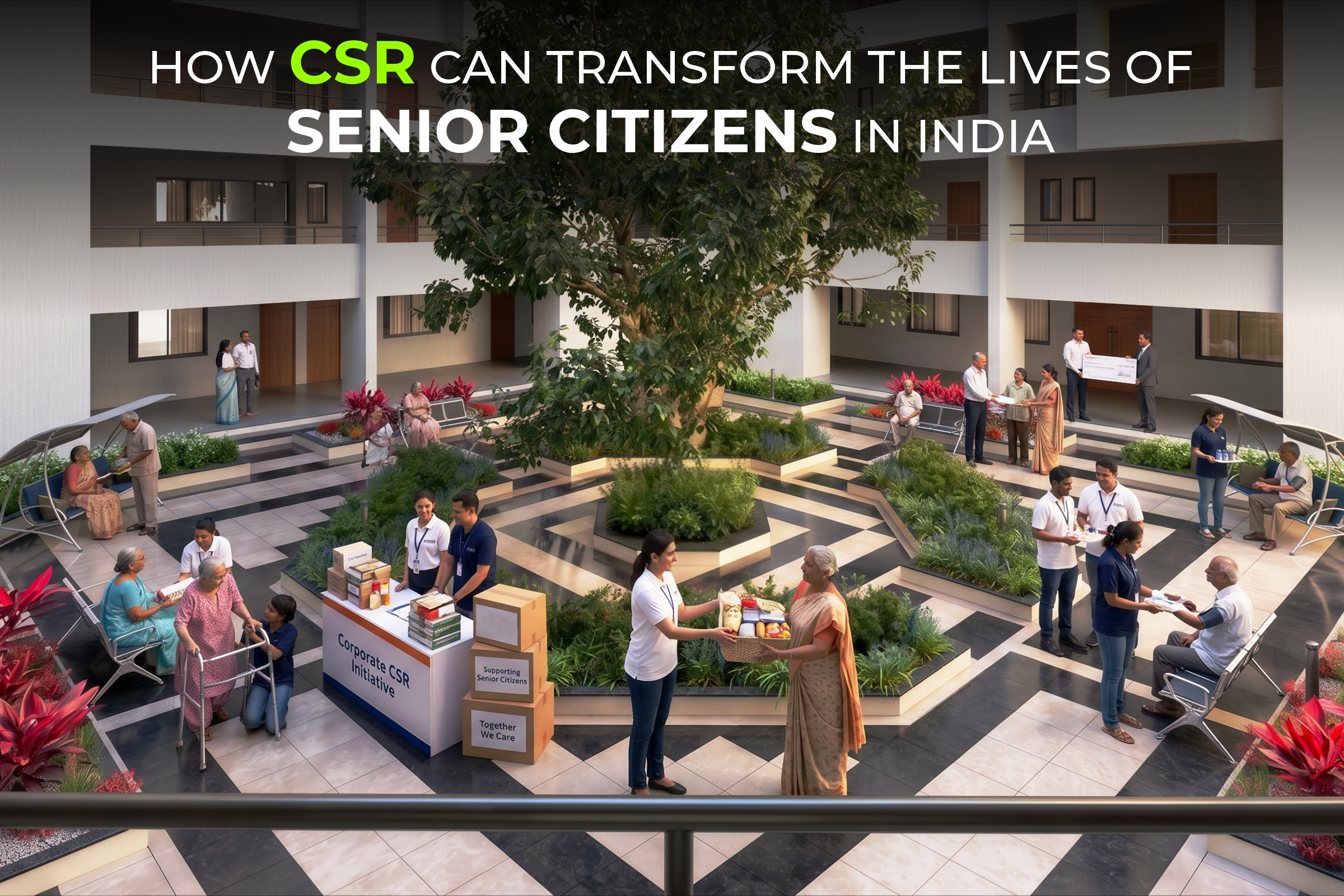
Protecting Dignity, Care, and Faith Through Corporate Social Responsibility There comes an emotional moment in life when hands that once built families, communities, and dreams...