

How Accessible Medicine Changes Health Outcomes in Low-Income Communities
- 5 months Ago
- 0 Comment
The striking pain of a father who knows his child needs medicine but has to count the money in his pocket and realize that it won’t be enough is unimaginable.
The silence of a grandmother who pretends she feels “better” so her family doesn’t spend their last savings on her treatment is heartbreaking to witness.
Even imagining the helplessness of a mother who walks miles to a clinic only to learn that the prescribed medicines cost more than her monthly income is tormenting.
For millions across underserved regions, especially in the context of healthcare for poor in India, illness is not just a medical condition, but it is a seriously depressing financial crisis, an emotional burden, and sometimes, a death sentence.
The tragedy is that many of these illnesses are treatable, manageable and many lives could be saved, if only the medicines were accessible at the right time.
Available vs Accessible
Hospitals may exist, pharmacies may be stocked and doctors may be trained but when the medicines are priced beyond reach, it becomes irrelevant to those who need it most. Accessible medicine is not merely about physical availability; it also includes affordability of the medicine. When medicine is inaccessible, minor infections escalate into severe complications; even a manageable diabetic condition becomes kidney failure and high blood pressure turns into a stroke. Poverty doesn’t just limit income but choices too, and when health is compromised every other dream begins to fade.
The Emotional Weight of Untreated Illness
Imagine living each day knowing your body is unwell, yet getting treated feels impossible merely due to financial crunch. This leads to chronic pain becoming a “normal thing.” In low-income communities, people often delay treatment until it is too late because for them survival comes first. Paying rent, getting food, and affording kid’s school fees, and many more such things would take priority, while medicine becomes a luxury. This delay leads to suffering, higher long-term costs, and untimely deaths. This is why the work of a free medical help NGO is not just healthcare intervention, but it is life restoration.
When Medicine Reaches the Margins
When medicine reaches the people who need it most, it’s a blessing in the most divine form for them. When a child with untreated asthma receives inhalers and can finally run without gasping for breath, or a daily wage worker with hypertension receives medication and is able to continue providing for his family, or a pregnant woman receives supplements and regular check-ups for herself and the baby’s health, well for them … all of it is an act equal to God’s prayer answered. This is how far the impact of accessible medicine goes.
It stabilizes families, protects incomes and preserves futures. It allows children to attend school regularly, adults to work consistently and reduces emergency hospitalizations that push families into debt traps. In communities where every rupee matters, timely medicine can prevent years of financial hardship.
The Role of Compassionate Intervention
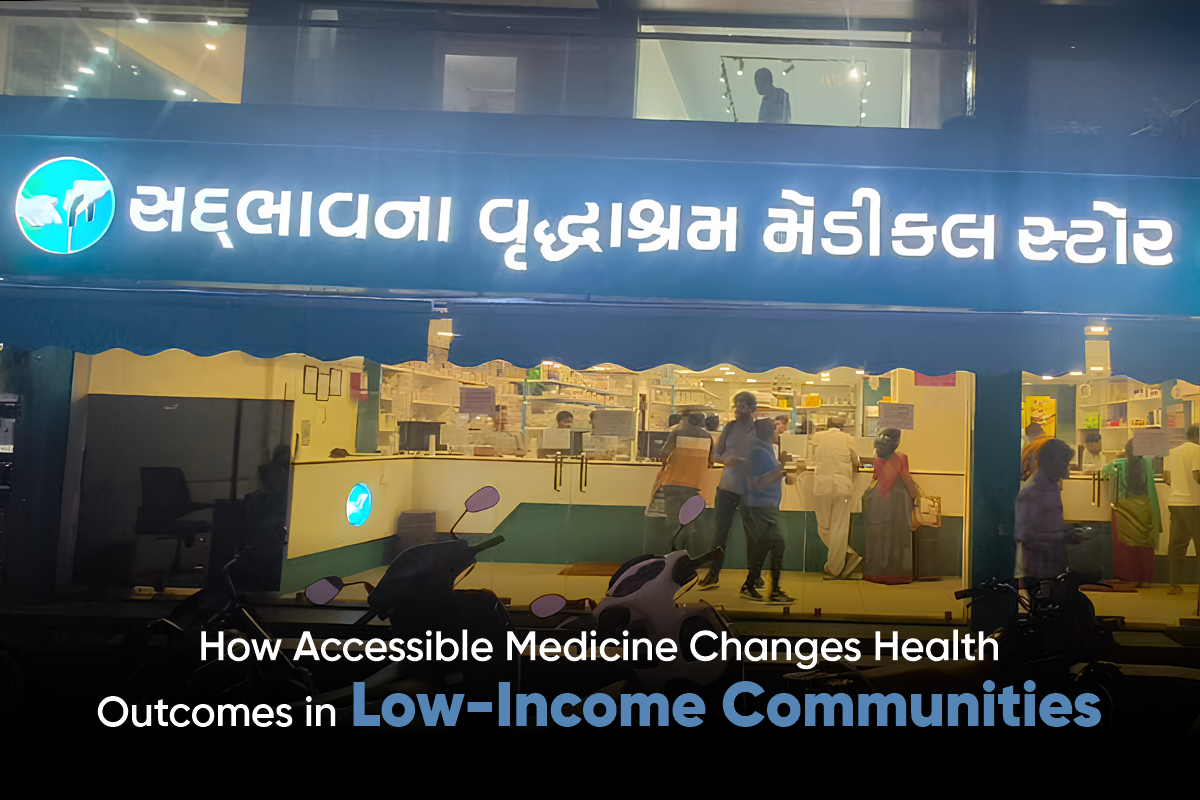
Organizations built on compassion play a crucial role in helping society in this matter. A medical donation trust ensures that essential medicines are distributed and diagnostic tests are supported for those who cannot afford them. It funds health camps in remote areas and creates access points in places where none of such points existed. These initiatives are not charity but they are interventions that protect human dignity.
At Sadbhavna medical support, the focus is not simply on treatment; it is on equity by ensuring that the inability to pay does not mean the inability to live for the needy ones. Through health camps, medicine distribution drives, and community awareness initiatives, Sadbhavna helps restore the right to timely care.
The Ripple Effect on Community Health
When one person gets treated, the benefit extends beyond them. A treated infection does not spread, a managed chronic condition does not become a family emergency and a healthy parent means children feel secure. Accessible medicine reduces strain on already overwhelmed public hospitals and it even lowers mortality rates.
But the hope lies beyond these numbers. Hope that illness does not automatically mean financial ruin. Hope that someone cares enough to bridge the gap and hope that health is not reserved only for those who can afford it.
Breaking the Cycle of Medical Poverty
Truly speaking, medical expenses are one of the leading causes of debt among low-income families. When treatment is delayed, the costs multiply. When hospital admissions become inevitable, loans are taken and assets are sold. A single untreated condition can pull an entire family deep into poverty. This is why providing early and affordable access to medicines is important as it interrupts the cycle before it spirals. An affordable blood test today can prevent an ICU admission tomorrow and a basic prescription can prevent surgery later. A small intervention thus can save a lifetime of struggle.
Health as a Fundamental Right
It is easy to speak about equality but harder to practice it. True equality means that a child in a remote village deserves the same chance at recovery as one in a metropolitan hospital and it also means that a laborer’s life holds the same value as a business man’s. Accessible healthcare is not an act of generosity but one of shared humanity.
Organizations committed to healthcare for poor in India understand that health disparities are structured from generational poverty and addressing them requires effort, community engagement, and support.
Why Support Matters
Every contribution toward a medical donation trust translates into impact:
- Essential medicines for chronic illnesses
- Diagnostic screenings for early detection
- Emergency support for critical patients
- Health education programs that prevent disease
When individuals and communities support initiatives like Sadbhavna medical support, they are not just donating funds; they are funding survival. They are ensuring that the next mother does not have to choose between food and medicine. That the next elderly patient does not have to halve their prescription to stretch it and that the next child does not suffer simply because of cost.
A Future Built on Care
Accessible medicine changes health outcomes because it changes choices. It allows people to seek help early, preventing suffering before it becomes threatening, protecting families from financial collapse and restoring dignity for the needy ones. Health is the foundation upon which education, employment, and opportunity are built and without it the progress stalls.When medicine becomes accessible, communities become resilient. And when compassion becomes action, lives are saved. Supporting a free medical help NGO and strengthening healthcare for poor in India is about shared responsibility because no one should suffer because of lack of medicine and no life should be measured by the size of a wallet. Accessible medicine thus heals hope.
- 4 days Ago
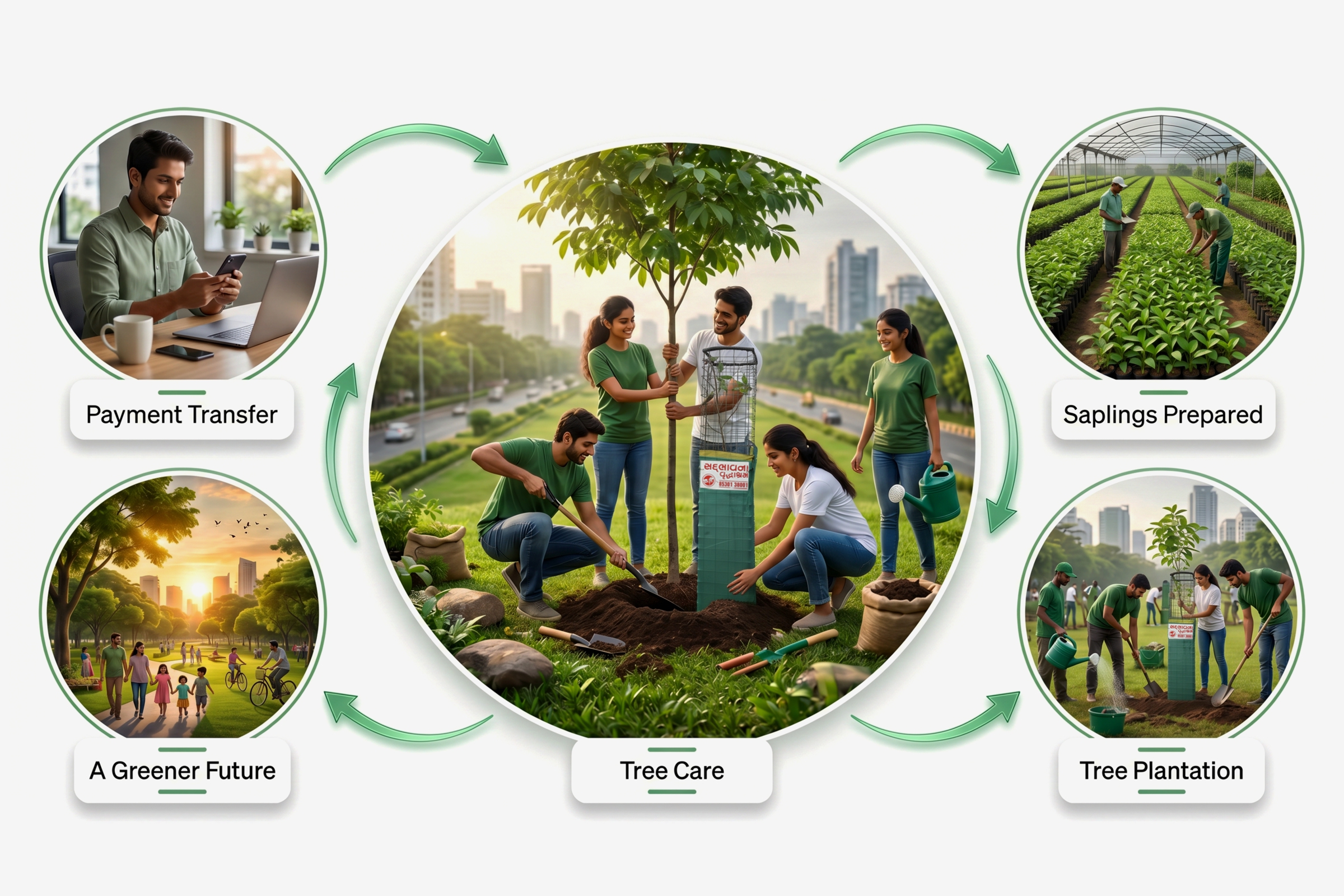
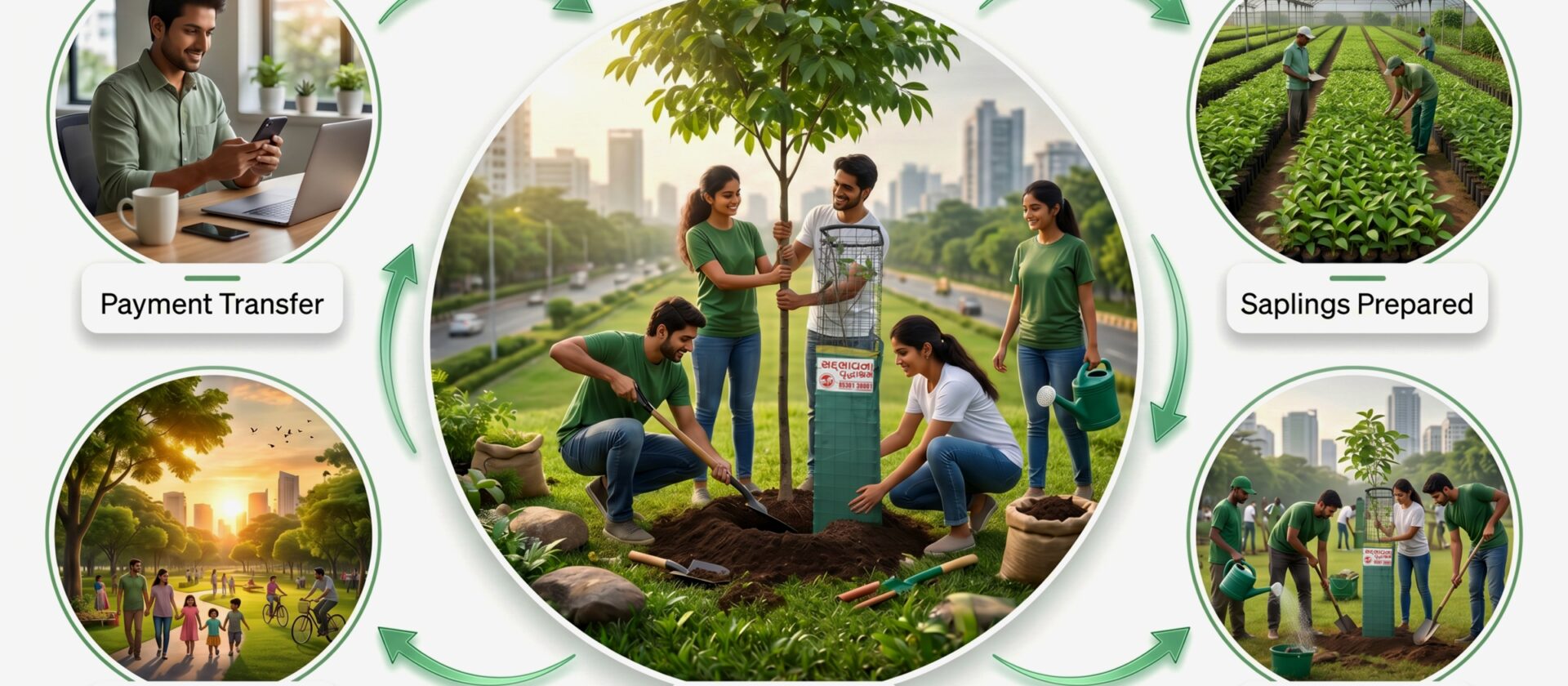
Your participation has a remarkable impact by including nature and countless forms of life that depend on healthy ecosystems.Usually, people have a common question about...
- 1 week Ago
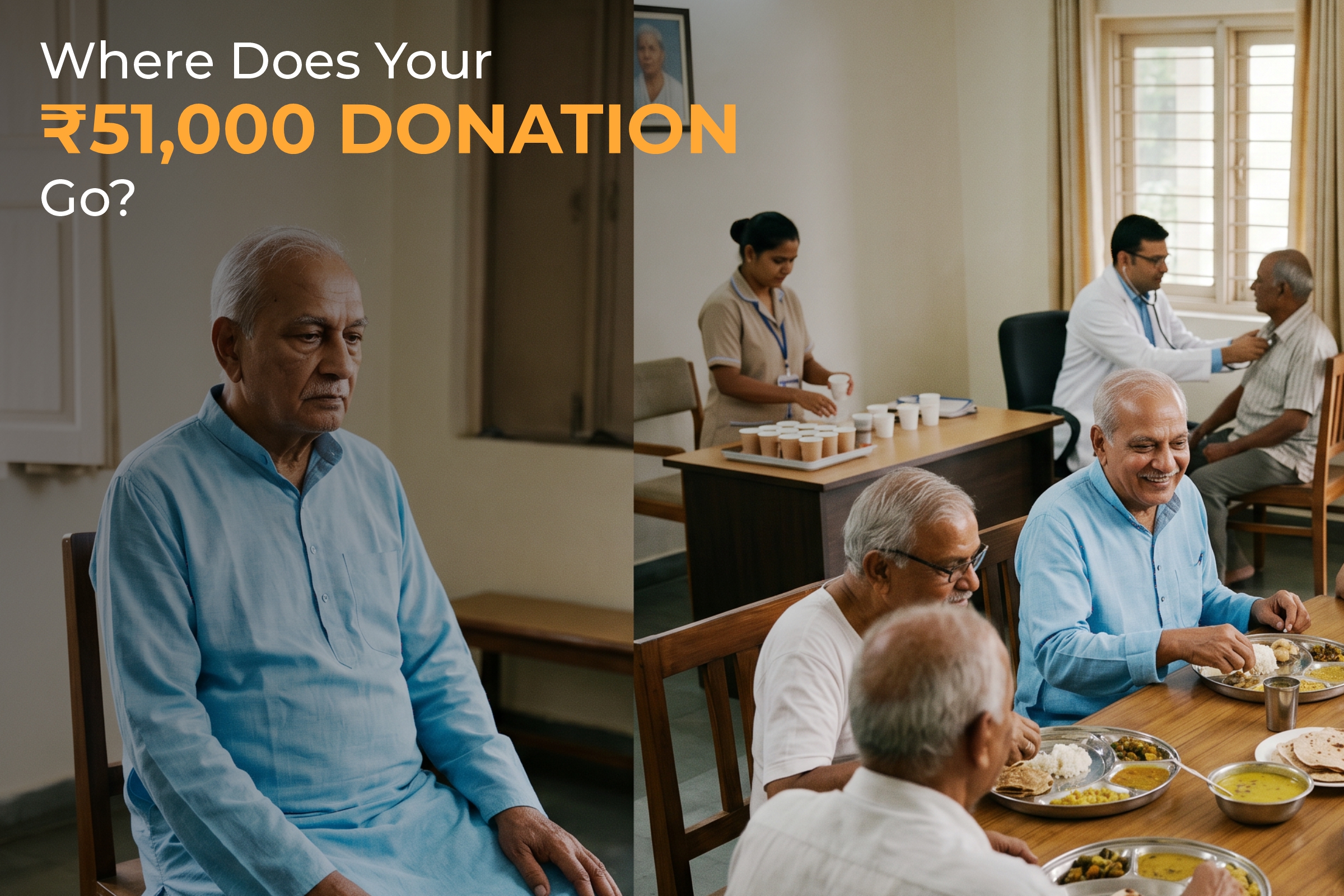
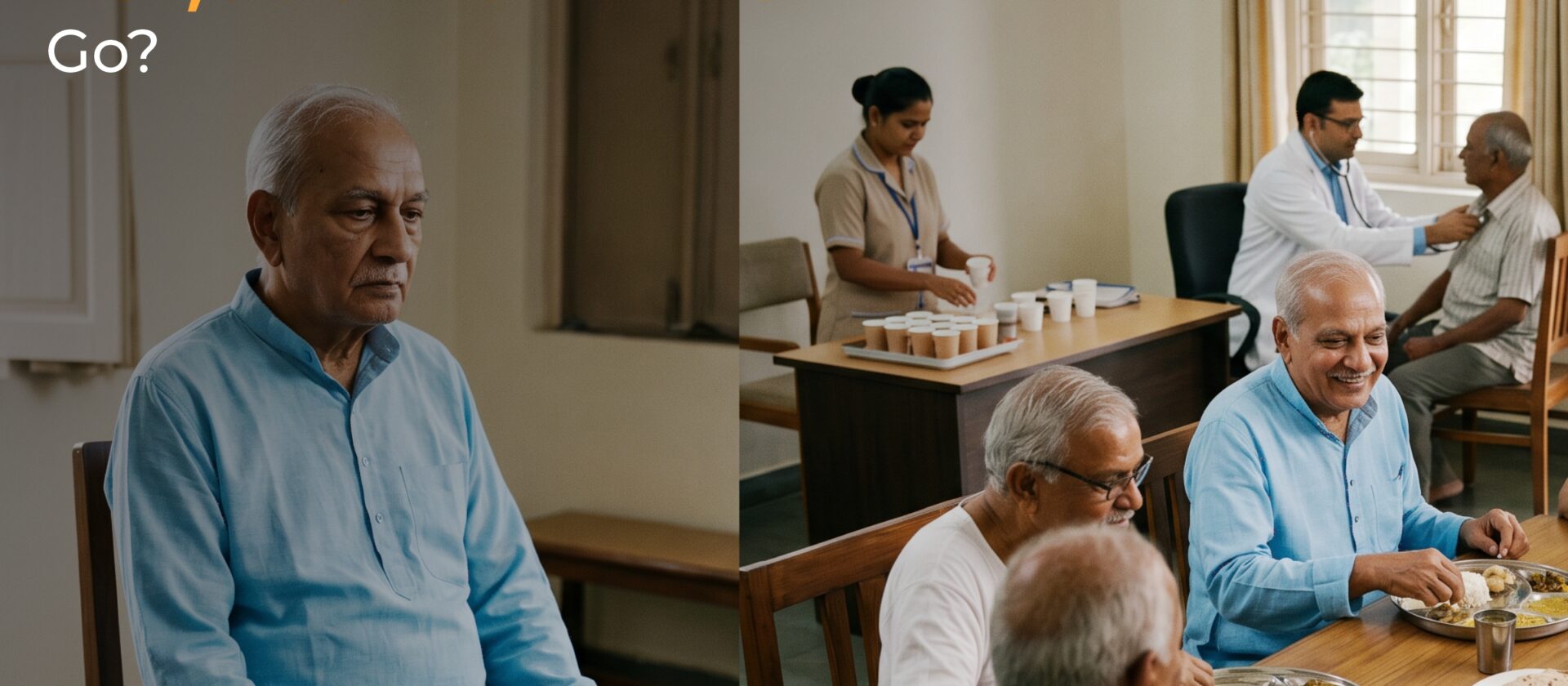
Where does the amount of ₹51,000 donated go? Breakdown of the Guardian Sponsor program at Sadbhavna Vrudhashram You must have read the headline, “Become a...
- 2 weeks Ago
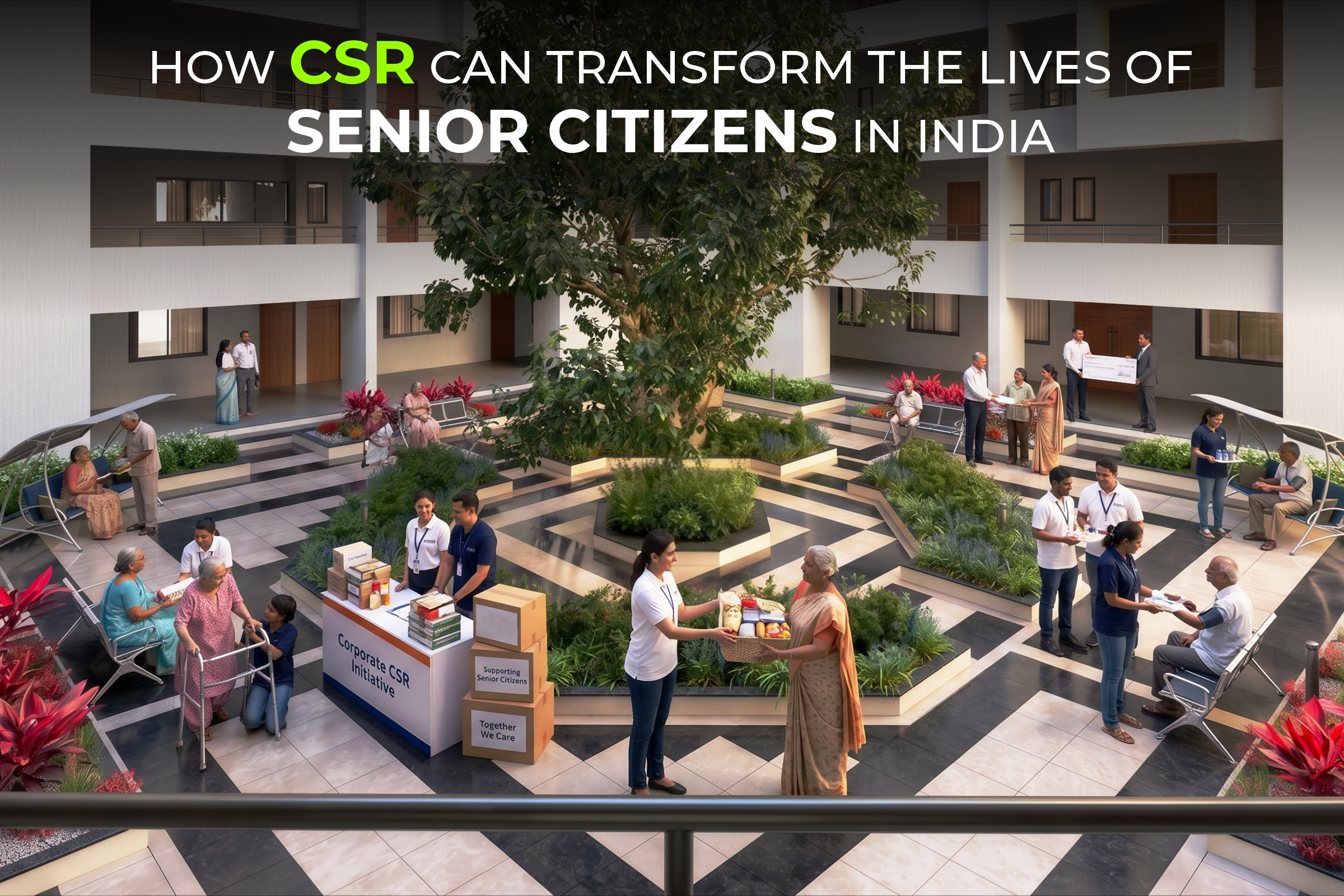
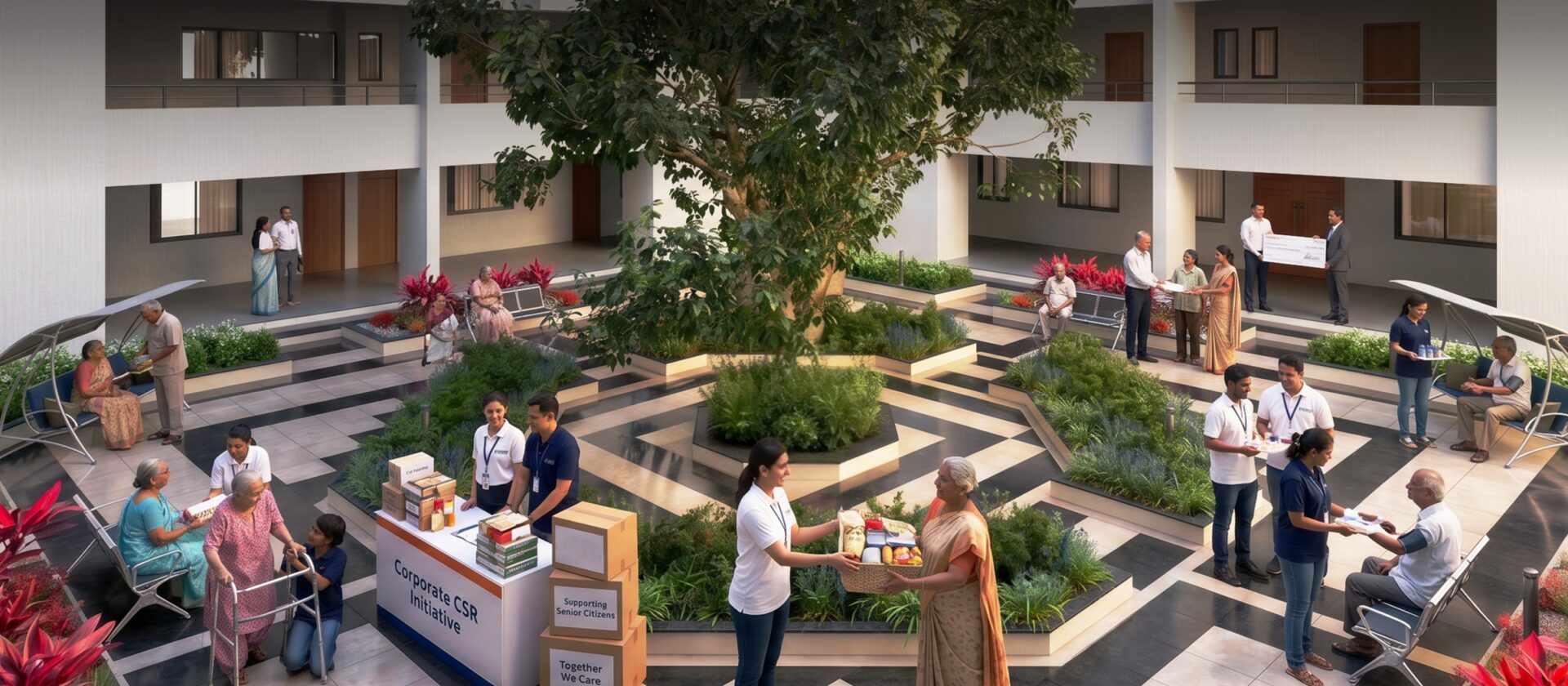
Protecting Dignity, Care, and Faith Through Corporate Social Responsibility There comes an emotional moment in life when hands that once built families, communities, and dreams...