How Veterinary Surgery in Rajkot Gives Injured Animals a Second Chance
- 5 days Ago
- 7 Min Read
- 0 Comments
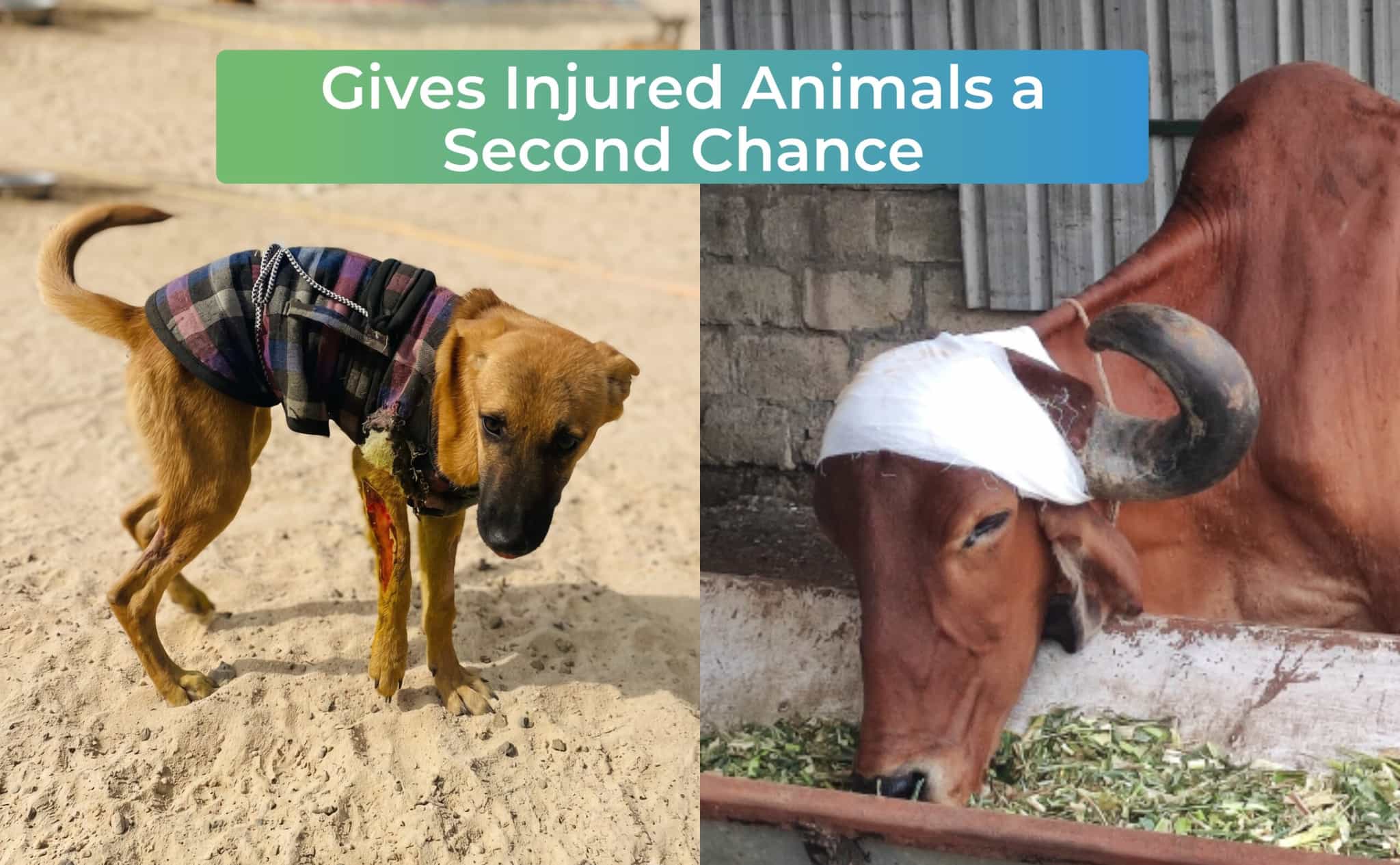
Most of us have seen it at least once. A dog limping along the roadside with a back leg hanging wrong, or a cat that has been hiding for days with a wound nobody noticed. You stop, you feel terrible, and you wonder if anything can be done.
Quite often, yes. That is where veterinary surgery comes in. People think of it as a last resort, but for many animals it is simply the treatment that works. And it is not just for pets. Street dogs, cows and abandoned bulls in Rajkot need it too.
Why So Many Animals Get Hurt Here
If you live in Rajkot, you already know why. The roads are crowded, stray animals are everywhere, and a pet only needs a gate left open for a minute to end up in traffic. Then there is Uttarayan. Kite string injures a lot of birds, and sometimes dogs and cats as well.
A vet in this city ends up treating a lot of the same problems again and again: broken bones after road accidents or balcony falls, deep cuts from fights or sharp objects, dislocated hips and torn ligaments in active dogs, and wounds or abscesses that just won’t close with tablets. Then there are the swallowed things, like socks, plastic, and toys, that block the gut. Medicine can handle some of this. When a bone, muscle or organ is damaged, though, pet surgery is usually the only real fix.
What Happens During Animal Surgery
Many owners become panic stricken when they hear the term surgery, due to their lack of understanding. Typically, that’s how it’ll happen.
Vet exam the animal and may request an X-ray, ultrasound or blood test. That will inform them of the severity of the wound and whether or not the animal is strong enough to receive anaesthetic.
Next comes stabilizing. If an animal comes in in shock, with bleeding or quite dehydrated, it doesn’t go directly to the operating table. Hydration, pain relief and oxygen are first priorities. A careful vet never rushes this step, otherwise animals will be lost.
Then the surgery. The animal is asleep and does not feel any pain during the surgery. A broken bone might be held together with pins, plates or screws. Layered wound closure and cleaning. A blockage is taken out of the gut. Each case is unique and the surgeon designs an operation according to it.
Finally, recovery. The animal is observed until it recovers, pain control is maintained and the veterinarian provides instructions for home.
The Surgery Is Only Half the Job
To be honest, the operation is not as important as what you do at home! In the next couple of weeks, animal healing can be smooth or rough.
Do not startle or upset the animal. Even a young dog requires rest, as running or jumping too soon may undo the repair. Don’t forget to use the cone; all animals hate them, but licking at stitches is one of the most frequent causes of re-opening wounds. Complete the course of antibiotics and painkillers – even if your pet appears to be fine after 3 days. Bandages and wounds should be kept clean and dry – infections seem to take hold quickly here in the weather. Get follow-ups, and repeat. The stitches, X-rays and check-ups are the way the vet can tell if healing is progressing.
Those owners that are persistent with this will be amazed at the turnaround in their animals. Animals are stiffer than expected.
Sadbhavna Bull Shelter: Home for Injured and Abandoned Bulls
Dogs and cats receive the majority of attention when considering animal rescue. For, although bulls work for the farmers throughout their lives, they are forgotten. A very old, sick or injured bull will often be dumped on the road.
There is a place in Rajkot to try and change that. Sadbhavna Balad Ashram is a bull shelter working with Sadbhavna Vrudhashram. It was started by Vijay Dobariya, founder of the famous Sadbhavna old age home in 2021 after observing the plight of abandoned bulls. He was a man of very simple mind. If a trust can take care of elderly people who have no one, a trust can take care of bulls who have no one.
The bulls are provided with fresh feed and protection, along with any necessary medication. They also have requested the village heads of the surrounding areas to notify them if they see a sick, injured or abandoned bull. At the ashram the story you hear remains with you. A farmer left a bull by the road, as he was ill. He was an elderly man and he was hurt too, no one had any great expectations. With proper treatment and care, he pulled through.
Medical Care Matters There
The bulls that come in have the same issues as other animals have when they get hurt, have deep wounds, become infected and weakened by hunger. They can be housed in a shelter where they will be fed and have a place to rest. However, a vet who examines, treats and, if necessary, operates is what makes a rescue a recovery.
A Much Bigger Load Than Before
Gujarat Samachar reported on 24 October 2026 that the shelter, which is near Devgam on Kalavad Road, has seen a huge jump in numbers. In about 20 days, farmers left more than 6,000 bulls there. With fodder and water short and prices climbing, many farmers felt they had no choice but to give up the animals they relied on.
The shelter normally housed 1,500 to 2,000 bulls at a time, but its 30 acres are now full. Green fodder prices have reportedly doubled, and the ashram spends around ₹12 lakh every day. About 125 staff work there, and water tankers have to come daily to fill the troughs. The team is planning a second shelter on roughly 120 bigha of land. The founder said they will not let any bull end up wandering the roads or going to slaughter.
Source: Gujarat Samachar, 24 Oct 2026 (Gujarati)
What You Can Do
If you see an injured bull or cow on the road, call a vet and the local shelter or animal helpline early. Please don’t try to move a badly hurt animal yourself, since wrong handling can make a fracture worse. If you want to support the ashram, contact them first to ask what they need right now, whether that is fodder, medicines or volunteer time. And tell people it exists. Many in Rajkot have never heard of it.
How to Pick a Veterinary Hospital
Not every clinic can do surgery. When you are choosing a veterinary hospital in Rajkot, look for a clean, separate operating area and proper anesthesia and monitoring equipment. X-ray and basic diagnostics on site are a big help. Check that the staff handle animals gently, and that someone is available for emergencies, because accidents don’t wait for opening hours.
Most of all, pick a vet who explains things plainly: what is wrong, what the risks are, and what it will cost before they start. Ask questions. A good vet will answer them honestly, even if the answer is that surgery isn’t the best option.
Please Don’t Wait
The most common mistake we see is waiting. “Let’s see how it is tomorrow” becomes three days, and by then a simple fracture is infected or a swallowed object has damaged the intestine.
Call a vet quickly if your animal is limping or won’t put weight on a leg, or if it keeps vomiting, especially with a swollen or painful belly. The same goes for a wound that is swollen, smelly or oozing, bleeding that won’t stop, or a sudden change in behavior such as hiding, crying or refusing food. Early treatment usually means a simpler operation, a smaller bill, and a better recovery.
A Second Chance Is Real
Behind every successful surgery is an animal that gets to live normally again. The street dog with a repaired leg runs again. The family pet that nearly died from a blockage goes back to stealing food from the kitchen. The rescued kitten with a torn wound grows up healthy.
From a family dog with a mended leg to a rescued bull at a shelter like Sadbhavna Balad Ashram, every animal deserves another chance. That is what veterinary surgery for animals really gives. It gives life back.
If your pet or a rescued animal is hurt, please don’t ignore it, and don’t try home remedies on a serious wound. Take them to a trusted veterinary hospital in Rajkot as soon as you can.