

He Worked All His Life. Now He Needs Someone to Care for Him: The Story of an Abandoned Bull
- Today
- 6 Min Read
- 0 Comments
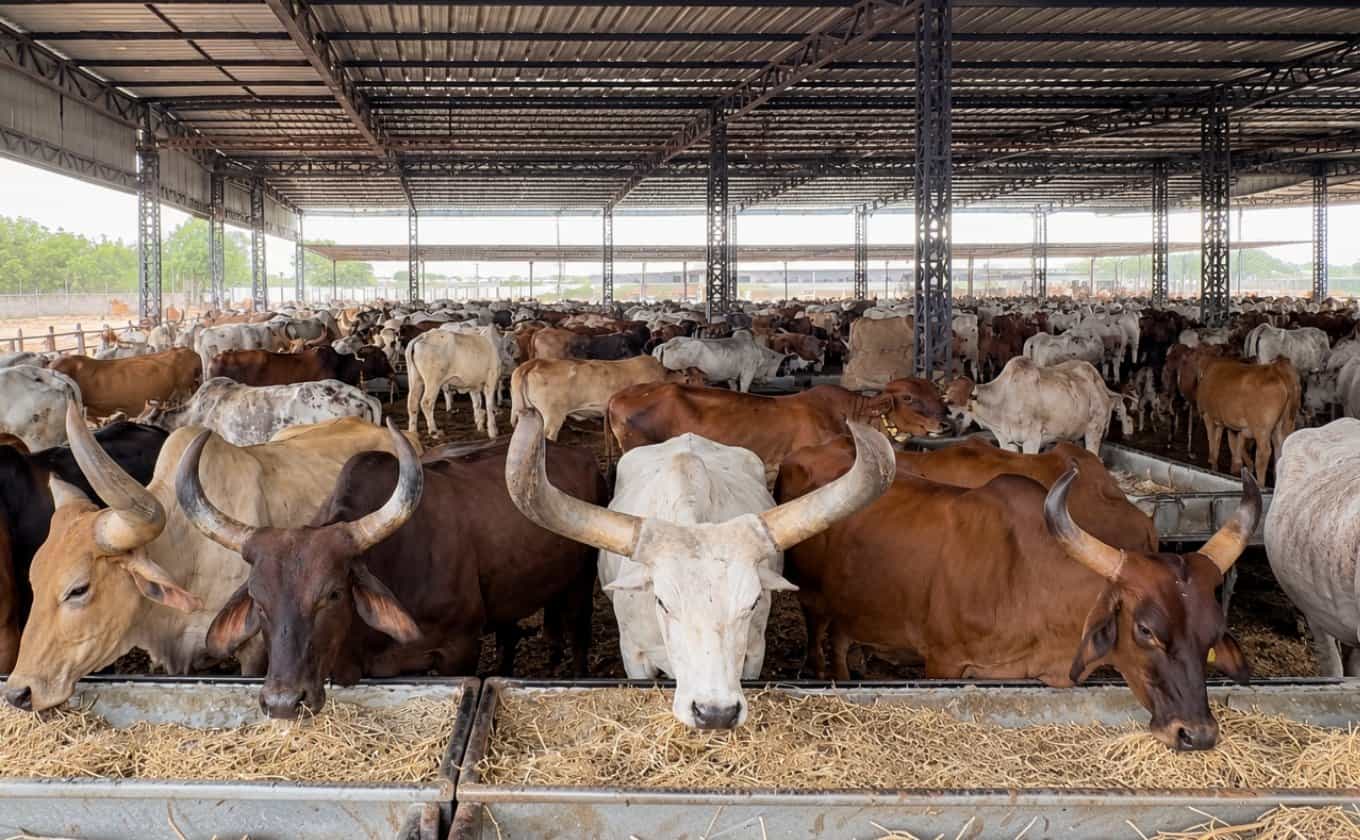
For years, he pulled carts through dusty village roads. He plowed fields under the scorching sun,hauled heavy loads on market days, and never once complained. He was strong,obedient, and reliable, the kind of bull every farmer dreams of owning.But when his strength finally began to fade, so did his owner’s interest in him. One morning, he was simply left by the roadside, untethered, unwanted and alone. This is the story of thousands of abandoned bulls across India, and it’s a story that shelters working in gau seva are trying, every single day, to rewrite.
A Life of Labor, A Retirement of Neglect
Bulls like him are not pets. They are working animals, valued only for what they can produce or pull. Once a bull grows old, becomes injured, or simply can’t work as hard as before, many owners see him as a liability rather than a companion who gave decades of service. Abandonment becomes the easiest, cruelest solution.
Bulls like him are not pets.They are working animals. Valued only for what they can produce or pull. Once a bull grows old, becomes injured, or simply can’t work as hard as before,many owners see him as a liability rather than a companion who gave decades of service. Abandonment becomes the easiest, cruelest solution.
When rescue teams found him, he was underweight, dehydrated, and limping badly from an untreated wound on his hind leg. Flies had gathered around the injury, and he hadn’t eaten a proper meal in days. This is a common story at any bull shelter in India: animals arriving in critical condition, having been abandoned not because they did something wrong, but because they grew old or got hurt.
The Rescue: A Second Chance at Life
The team that found him didn’t hesitate. An injured bull rescue operation was launched immediately. Volunteers gently coaxed him into a rescue, no small task for a large, frightened, and painted animal. He was transported to the nearest shelter, where a team of veterinarians and caretakers. We’re already waiting.
At the shelter, his wounds were cleaned and dressed, his dehydration treated with fluids, and his diet slowly reintroduced with easily digestible fodder. It took weeks of dedicated care before he could stand comfortably on all four legs again. Every bandage change, every meal, and every gentle word from the caretakers was part of his healing journey, a journey that would not have been possible without consistent gau devastation support from people who care.
Why Bull Shelters Matter More Than Ever
India has one of the largest cattle and bull populations in the world, and unfortunately, cases of abandonment are rising. Mechanization of farming has reduced the need for working bulls, and many owners no longer see value in keeping an aging or injured animal. Without shelters stepping in, these bulls would be left to wander highways, scavenge through garbage, or die slow, painful deaths from starvation, disease, or accidents.
A bull shelter donation does far more than provide food for a day. It funds:
- Emergency rescue operations for abandoned bulls found on highways, in fields, or near garbage dumps
- Veterinary care for injured bull rescue cases, including surgeries, wound care, and long-term treatment
- Daily fodder, clean water, and shelter from extreme heat, cold, and rain
- Vaccination and deworming programs to prevent disease outbreaks
- Long-term sanctuary for bulls who can never return to work but deserve a peaceful life
Every bull shelter in India running on donations depends entirely on the generosity of compassionate individuals. Government support is minimal, and most of these shelters operate purely on public contributions and volunteer effort.
The Role of Gau Seva in Indian Culture
Gau seva, or service to cows and bulls, has deep roots in Indian tradition and spirituality. Cattle have long been considered sacred and are respected as gentle, giving creatures that support human livelihoods. Yet, this reverence often fades once the animal is no longer economically productive.
A gau seva donation bridges that gap between cultural respect and real-world action. It’s one thing to honor cattle in festivals and rituals; it’s another to ensure that when a bull is abandoned, injured, or aging, there is a place for him to go where he will be fed, treated, and loved without condition. Supporting gau seva isn’t just a religious or cultural act anymore — it’s a practical, compassionate response to a growing crisis of abandoned bulls across the country.
What Happened to Him Next
Today, the bull from our story lives peacefully at the shelter. His wound has healed completely, and he has regained most of his lost weight. He spends his days grazing in an open shelter yard, resting under shade trees, and receiving gentle care from the same team that once found him helpless on the roadside. He will never have to pull another cart or plow another field. His only job now is to simply exist, safe and cared for.
His story isn’t unique, though. For every bull rescued, there are dozens more still wandering, injured or starving, waiting for someone to notice them. Every bull shelter donation brings a little closer the day when another bull like him gets a second chance at life.
How You Can Help
You don’t need to visit a shelter or handle an animal yourself to make a real difference. A simple bull shelter donation, even a small one, contributes directly to:
- Fuel and transport costs for injured bull rescue missions
- Medicines, bandages, and veterinary consultation fees
- Daily feed for bulls who can no longer fend for themselves
- Shelter maintenance and staff who provide round-the-clock care
Many shelters also welcome one-time or monthly gau seva donation contributions, allowing donors to sponsor the care of a specific bull or support general shelter operations. Every rupee given goes toward ensuring that abandoned bulls across India have access to food, medical attention, and a safe place to live out their remaining years with dignity.
A Small Act of Kindness, A Lifetime of Impact
He worked all his life without complaint. He gave everything he had to the people who depended on him. When his usefulness ran out, he needed someone to care for him — not because he owed anyone anything, but simply because every living being deserves compassion in old age or illness.
Supporting a bull shelter in India through your bull shelter donation or gau seva donation is more than charity; it’s a promise that no bull who has served faithfully will be left to suffer alone. The next abandoned bull rescued, the next injured bull rescue carried out successfully, could depend on the kindness you choose to show today.
Frequently Asked Questions
Q: How does a bull shelter donation get used? Donations typically cover rescue transport, veterinary treatment, daily fodder, shelter maintenance, and long-term care for abandoned or injured bulls.
Q: What is gau seva? Gau seva refers to the service and care of cows and bulls, rooted in Indian cultural and spiritual tradition, now widely practiced through shelters and donation-based support programs.
Q: Why are bulls abandoned so often in India? As farming becomes more mechanized, aging or injured bulls are seen as less economically useful, leading many owners to abandon them rather than continue their care.
Q: Can I donate to support a specific rescued bull? Many shelters offer sponsorship options where donors can support the care of an individual rescued bull through regular gau seva donation contributions.