

When an Animal is Unable to Ask for Help: You Will Be There.
- 2 weeks Ago
- 5 Min Read
- 0 Comments
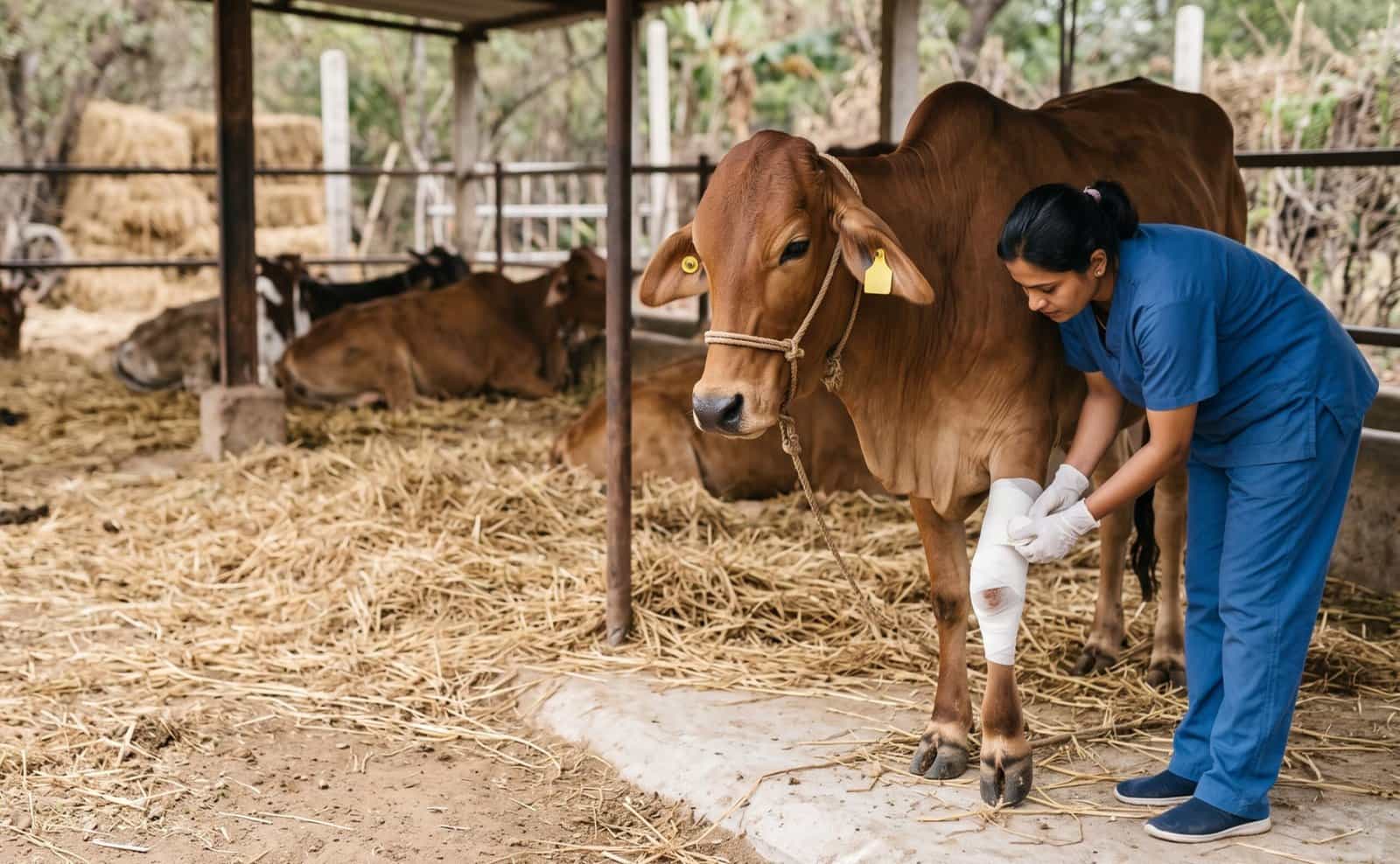
A stray dog lies on the road, wounded. A cow sits injured and cannot get up. A pup with a broken leg trembles in fear. An animal suffers, ignored by passers-by.
We may see it, and maybe we will help this animal. But there is a question to which we should think about the answer:
When an animal cannot ask for help, who will be there?
Unlike humans, stray animals cannot call an ambulance, describe their problems, afford surgery, or find a safe place to heal. Only people can help them.
Therefore, we must learn how to help injured stray animals.
We also need to support animal rescue NGOs, because they can be the ones to rescue the animals.
Why Injured Stray Animals Need Help
Living on the streets is challenging for homeless pets. Hunger, fatigue, the risk of injury, diseases, attacks by other animals, and many other difficulties are everyday challenges for street dogs and cats.
Meanwhile, an injury can be a significant problem for such animals.
In addition, a stray dog or cat is often unable to receive the necessary treatment. This is the problem of treatment of injured animals, which can be solved by animal rescue NGOs.
What Is the Solution to Help Injured Stray Animals?
The task of an animal welfare fund is to create a complete set of work around animals that have no owner.
An animal welfare project includes:
1. Rescue and emergency service
The first step to solving the problem of injured stray animals is the rescue center. There, employees and volunteers help animals in need. For example, the problem of an injured animal can be addressed by calling an ambulance for pets.
Moreover, pet ambulance services can help reach the animal in hard-to-reach places, injured, and carry it to the veterinary clinic. All this is a rescue service that needs to be developed as part of an animal welfare fund.
2. Veterinary treatment
The rescued animal must be subjected to the necessary veterinary procedures. The rescue team takes the pet to the veterinary clinic, where the animal is subjected to surgery, treatment, and other procedures depending on the injury or illness.
Thus, the animal welfare fund will ensure that the pet receives high-level treatment and, therefore, another chance to live.
3. Animal shelter
Sometimes animals need more help than they can receive in the wild. A shelter, which is also part of an animal welfare fund, will provide living conditions and care for animals that have been rescued from the street. There, pets receive daily food, water, and round-the-clock monitoring. In addition, pets staying in a shelter can be helped to recover from injuries sustained and recover from difficult conditions on the streets.
4. Food and nutrition
Food and nutrition are essential parts of an animal’s life. When an animal is weak from hunger or has been rescued from the street, it needs to eat healthy food.
By donating to an animal welfare fund, you can help not only treat sick and injured pets but also give them a chance to live with daily food and water.
5. Prevention of disease
An animal welfare project can also include free animal and prevention programs. These are important aspects of pet welfare funds because they help control the stray animal population and reduce the number of pets’ diseases.
6. Social awareness
There is no single universal method of promoting pet welfare. However, it is this awareness of the need to care for animals that can be a beginning and a stimulus to action. Pet rescue NGOs and animal welfare funds can spread awareness among local residents. For example, they can introduce pet owners to proper care for animals, ways to rescue pets from difficult situations, help pets get to a veterinary clinic, and provide assistance to animals.
Moreover, ordinary people can also participate in pet welfare funds and create social awareness of the importance of pet welfare. Thus, they become the first step in helping an animal in trouble.
What an Animal Welfare Fund Can Do for You
An animal welfare fund can be a complete set of all the above actions. Such a fund will be able to:
• provide emergency rescue services to pets;
• take care of animal health and give animals an opportunity to live;
• create an animal hospital;
• provide living conditions for pets;
• ensure the daily provision of food and water;
• organize a vaccination and prevention program for pets;
• recover and rehabilitate animals;
• develop volunteer activities;
• promote pet welfare funds;
• take care of abandoned and disabled animals.
All this and much more can be provided by an animal welfare fund, which aims to create a full chain of pet welfare and help animals that have no one to appeal to.
Donation for Animal Welfare: How Your Help Can Change Lives
To take care of pets, you need a constant supply of food, medicines, and equipment. You also need to provide living conditions for pets and employ qualified specialists to maintain and treat animals. This is where donations to animal welfare funds come in.
You can donate to an animal welfare fund to help care for pets in need. Although you may not be able to rescue an animal yourself, you can help it by providing daily food. In addition, an animal welfare fund donation will help provide animals with the opportunity to receive timely treatment, recover after injuries, and stay in good health.
In addition, such funds collect donations to help animals in need. Even a small amount raised from generous people can extend the life of an animal in trouble.
Moreover, you can count on the fact that your donation will go to maintaining pets: from food and water to high-quality treatment. You will also help animals that have no owner and can hardly receive help on their own.
So it is worth donating to animal welfare funds to collect funds for the necessary expenses for pets in need.
In conclusion, remember that an animal cannot care for itself and, unfortunately, cannot call for help. Therefore, it is our responsibility to help pets in need.
In case of emergency, report the animal to nearby rescue services. If possible, call an animal shelter.