

Tree Plantation and Water Conservation: The Hidden Connection
- 7 months Ago
- 4 Min Read
- 0 Comments
Last Summer, a volunteer from our team visited a village and they saw a mother walking miles to fetch water early in the morning in silent hopes that there would be some water in the well. However, she only saw cracked earth and her hopes crashed thinking how her children might ask for water as soon as she reaches home. She walked farther away and finally only found a bucket full of water to sustain for the day.
This may sound like a filmy bollywood story, yet it is the story of most of the women living in the dry parts of our country.
They even heard an elderly farmer saying quietly, “Rain comes… but it doesn’t stay anymore.”
Such kind of scenarios and sentences stay with you. Well… the rain has not stopped here, but the land can no longer hold it, and that’s a real crisis.
We often talk about water conservation in terms of storage tanks, pipelines, or big infrastructure projects. But very few people speak about one of the most powerful and natural solutions to conserve water which is trees.
One of the most overlooked tree plantation benefits is how deeply it affects water security. When rain falls on bare land, it runs off quickly and it even carries soil with it. It disappears into drains and rivers before it can seep underground. Within weeks, the surface dries again, thus the wells remain shallow and the borewells needs to go deeper every year.
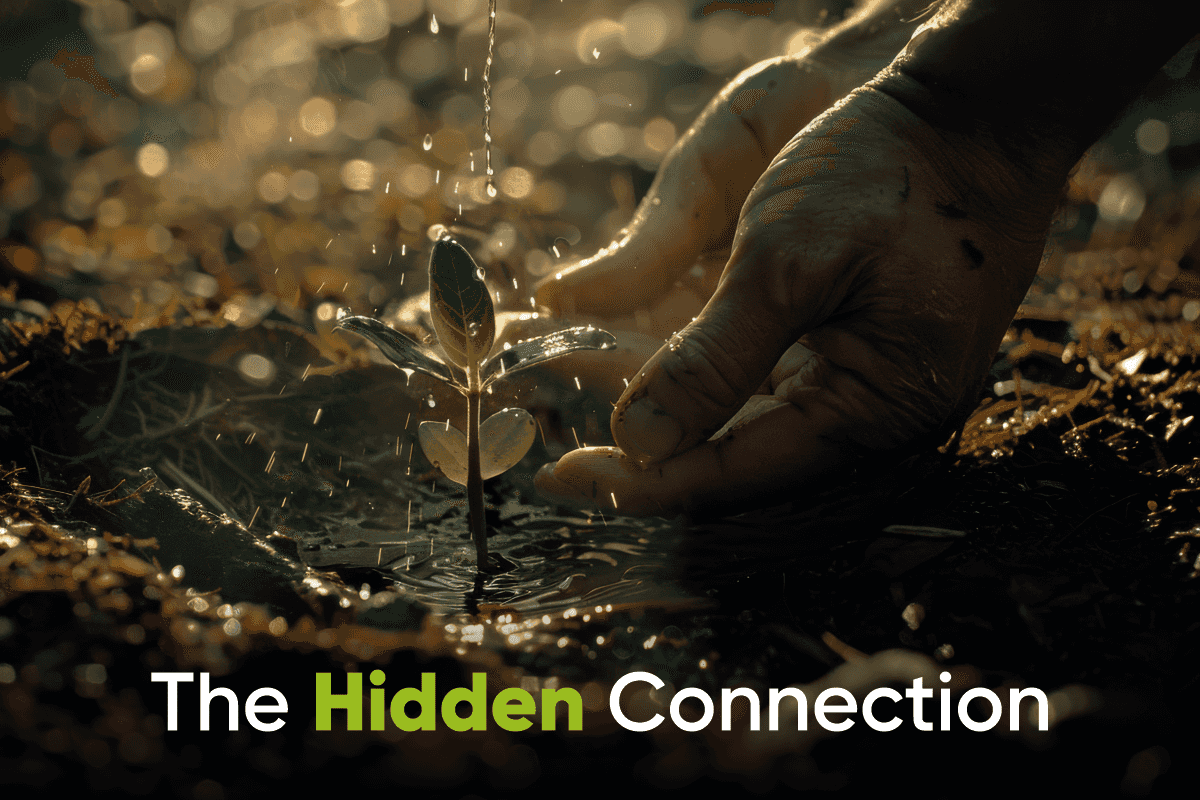
But when rain falls in areas where trees stand, something different happens. The leaves break the force of the rain. The roots hold the soil together. The ground becomes softer, more absorbent. Water slowly travels down into the earth, helping in groundwater recharge, the quiet process that refills wells and keeps handpumps alive long after the monsoon ends. It’s not something we see happening in front of our eyes, but we see the results of it.
Villages with stronger green cover often experience fewer extreme water shortages. The soil remains fertile and crops survive longer and this difference isn’t luck; it’s the villagers having an innate wisdom of ecology.
Across India, falling groundwater levels are not just environmental data points but daily realities. Women walking farther for water, farmers reducing crop cycles and families worried about the coming summer before winter even ends are all red signals.
This is why many environmental NGO’s in India are shifting focus from their initial initiatives. They are not relying on plantations just for numbers or doing water conservation campaigns in isolation, but they are bringing both together.
Because trees and water were never meant to be separate conversations.
Through programs like Sadbhavna water conservation, plantation drives are conducted near dried ponds, rural farmlands, and vulnerable areas where water scarcity hits hardest. But what makes these efforts meaningful isn’t just planting saplings, it’s staying back to monitor survival, involving local communities as well in this human-kind evolution and teaching children why those trees matter.
Realising that a sapling planted without care is symbolism and a tree grown to maturity is transformation is highly important.
We’ve seen villages where, after years of consistent plantation and soil restoration, groundwater levels began stabilizing. And such steady change is quite powerful.
There’s something deeply human about planting a tree for water. You may never personally benefit from the groundwater it helps restore but someone will. Say for instance it can be a child who won’t have to skip school to fetch water or a farmer who won’t have to abandon his land or even a mother who won’t stand at an empty well before sunrise.
When we talk about tree plantation benefits, we shouldn’t limit them to oxygen or greenery. The real benefit is dignity, stability and security. And yet, none of this happens without support. Planting trees at scale requires land preparation, saplings, protection measures, watering systems, and long-term maintenance. Water conservation work requires planning, training, and consistent follow-up. These are not one-day events. All these are commitments and such commitments are only possible when people who care decide to act.
If you have ever worried about the future of water in our country, this is one place where your action directly matters. Supporting plantation and conservation initiatives isn’t charity, it’s participation. It’s choosing to rebuild what has been quietly eroded over years. The connection between trees and water is simple, but we’ve ignored it for too long and hence the land is now telling us what it needs.
More roots.
More shade.
More patience.
More care.
Rain will continue to fall.
The question is will we give it a reason to stay?
When you support Sadbhavna water conservation, you are not just planting a tree. You are helping restore balance between land and water. You are helping recharge aquifers and secure futures. And maybe, somewhere in the coming summers, a well that once stood dry will hold water again. That is not just environmental impact, it is hope growing quietly, one tree at a time.