

A Complete Approach to Animal Welfare: Rescue, Rehabilitation & Adoption
- Today
- 7 Min Read
- 0 Comments
What Is Animal Welfare?
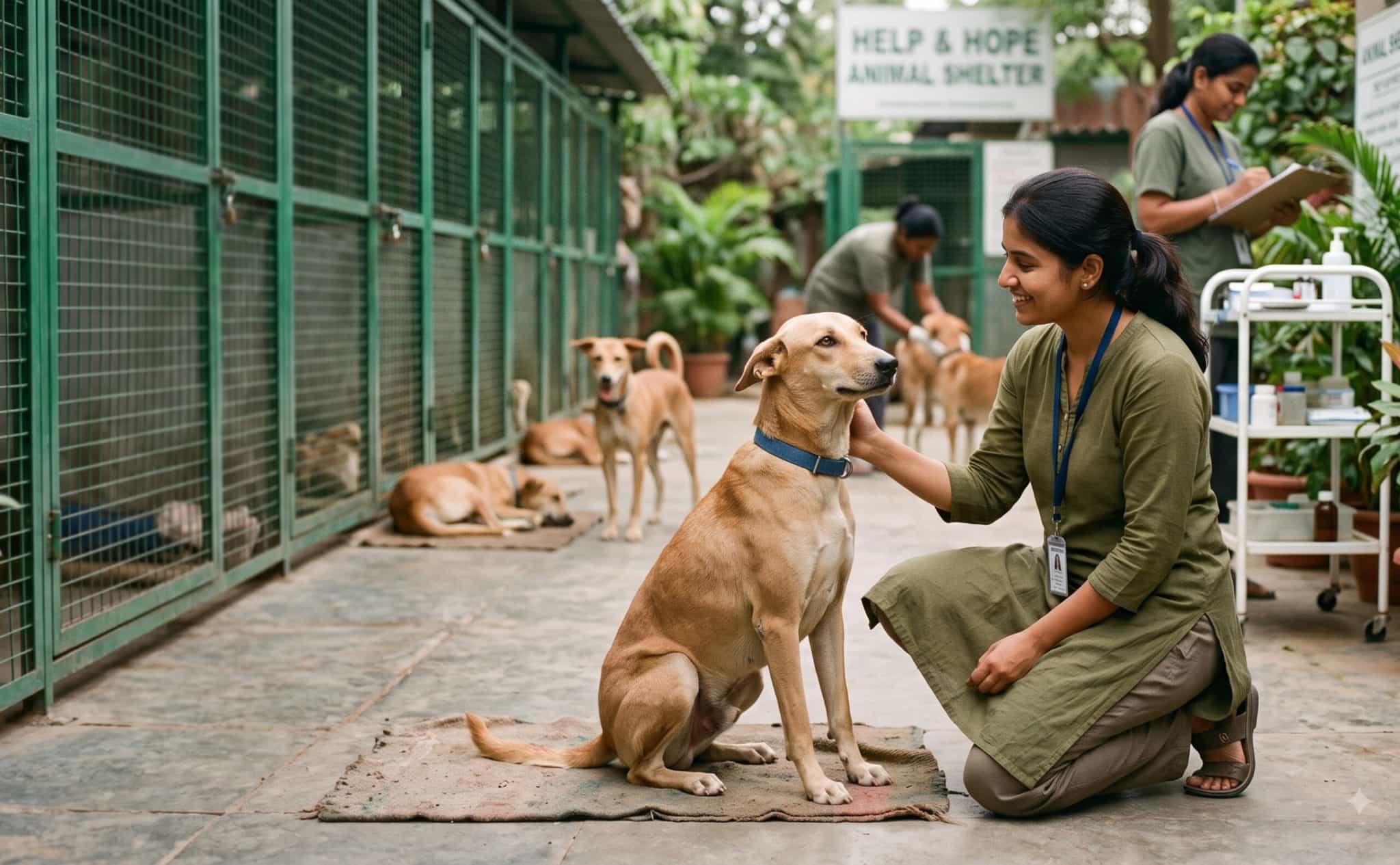
Animal welfare is the physical and emotional well-being of animals: their health,safety, behaviour,and quality of life. A complete approach covers three connected stages: rescue, rehabilitation, and adoption. If one stage fails, the other struggles. Rescued animals with no rehabilitation are hard to place, and adoption without proper rescue and care often leads to returns.
The guide explains how each stage works, what current data says about the state of animal shelters, and how you can help.
The Current State of Animal Shelters: What the Data Shows
Recent numbers show both progress and ongoing pressure.
- According to the ASPCA, which compiles data from Shelter Animals Count, 4.2 million shelter animals were adopted in 2025.
- Euthanasia rates have fallen noticeably. The ASPCA reports a drop from 13% in 2019 to 8% in 2024.
- Shelter intake is easing slightly. In the first half of 2025, shelters took in about 2.8 million cats and dogs, a 4% decrease from the same period in 2024.
- Capacity is still a problem. Shelters continue to report longer lengths of stay, especially for large dogs.
- Staffing is also a strain. An ASPCA shelter services leader noted that many shelters struggle with staffing and veterinarian shortages, and too few adoptions.
The takeaway is that more animals are leaving shelters alive than a decade ago, but crowding, long stays, and workforce gaps remain. That is why prevention, rehabilitation, and community involvement matter as much as the adoption event itself.
Stage 1: Animal Rescue
Animal rescue means removing an animal from danger, neglect, abandonment, or a stray situation and getting it to safety. Rescues come from
- Stray and abandoned animals found in neighborhoods, on highways, or in industrial areas
- Owner surrenders, often because of housing, cost, or life changes
- Cruelty and neglect cases referred through local authorities
- Disaster response, such as floods, cyclones, and fires
- Injured wildlife and street animals needing urgent medical care
Effective rescue is more than a pickup.Responders triage the animal, stabilize injuries, scan for a microchip, document where it was found , and begin the paperwork that supports a reunion or later adoption.
If you find a stray or injured animal:
- Stay calm and approach carefully, since frightened animals can bite or scratch.
- Move the animal to a safe, quiet spot if you can do so safely.
- Contact a local animal welfare organization, a veterinarian, or your nearest animal shelter.
- Check for a collar, tag or microchip.
- Photograph the animal and note the location.This helps with reunification.
Stage 2: Rehabilitation
Rescue gets an animal out of danger. Rehabilitation restores its health and its ability to live in a home. Skipping this stage is one of the most common reasons adoptions fail.
Medical rehabilitation includes:
- Veterinary exams, vaccinations, parasite control, and spay/neuter surgery
- Treatment for wounds, infections,malnutrition, or chronic conditions
- Dental care and long-term pain management
Behavioral rehabilitation includes:
- Gradual socialization with people and other animals
- Positive reinforcement training for fear, reactivity, or leash skills
- Enrichment such as toys, puzzle feeders, and daily exercise to lower shelters stress
- Gradual socialisation with people and other animals.
Foster care is one of the most effective rehabilitation tools. A foster home gives a recovering animal quiet, individual attention. It also frees kennel space and tells the adoption center much more about the animal’s real personality , so matches are better.
Stage 3: Animal Adoption
Animal adoption is the process of placing a rescued, rehabilitated animal into a permanent home. A good adoption is a match, not just a transaction.
How a Quality Adoption Process Works
- Browse and meet. Visit an adoption center or review online profiles with honest descriptions of age, size, energy, and history.
- Application and conversation. Staff ask about your home, schedule, experience, and other pets.
- Meet-and-greet. Existing pets or family members meet the animal before a final decision.
- Adoption agreement and fee. Fees often cover vaccination, sterilization, and microchipping.
- Post-adoption support. Good organizations offer behavior advice and a return-to-shelter policy rather than letting animals end up abandoned again.
Why Adopt Instead of Buying?
- You save a life and open space for the next animal in need.
- Adopted animals are typically vaccinated, sterilized, and health-checked.
- Staff can match temperament to your lifestyle.
- You reduce demand for irresponsible breeding and puppy-mill supply chains.
Overlooked Animals Deserve a Second Look
Data suggest some groups wait longer. ASPCA reporting indicates large dogs are staying in shelters longer, and mid-year 2025 figures showed fewer adult and senior dogs adopted (6% and 2% decreases respectively), while juvenile dogs saw a 6% increase. Adult and senior animals often arrive already house-trained and calm, which makes them excellent companions.
What Makes a Strong Animal Welfare Organization?
Not every group operates to the same standard. When choosing where to adopt, volunteer, or donate, look for an animal welfare organization that:
- Is transparent about intake, outcomes, and finances
- Provides veterinary care and sterilization before adoption
- Uses humane, evidence-based practices in handling and housing
- Screens adopters thoughtfully without creating needless barriers
- Supports prevention, such as low-cost spay/neuter, vaccination drives, and community education
- Offers follow-up support after adoption
The ASPCA identifies two barriers that keep many families from adopting: a lack of pet-friendly housing and affordable veterinary care. The strongest organizations tackle these root causes, not just the symptoms.
Prevention: The Missing Fourth Step
A truly complete approach to animal welfare reduces the number of animals who need rescue in the first place:
- Sterilization programs to control stray populations humanely
- Microchipping and ID tags so lost pets get home
- Community vaccination against diseases like rabies
- Owner education on nutrition, training, and responsible care
- Keeping pets with their families through pet food banks, low-cost clinics, and behavior help
How You Can Help
You do not need to adopt to make a difference.
- Adopt or foster. Even a few weeks of fostering can change an animal’s outcome.
- Volunteer. Walk dogs, socialize cats, transport animals, or help at events.
- Donate. Money, blankets, food, and supplies help animal shelters stretch limited budgets.
- Spread the word. Share adoptable-animal posts and help animals find homes faster.
- Spay and neuter your pets, and keep ID current.
- Report cruelty or neglect to local authorities or a trusted organization.
Frequently Asked Questions
What does an animal welfare organization do?
An animal welfare organization protects animals from cruelty and neglect. It rescues strays and abused animals, provides medical and behavioral care, runs adoption programs, and educates the public on responsible pet ownership.
How does animal adoption work?
You choose an animal at a shelter or adoption center, complete an application, meet the animal, sign an adoption agreement, and pay a fee. Most animals go home vaccinated, sterilized, and microchipped.
What is the difference between a shelter and a rescue?
Shelters are often government-run or open-admission and take in a wide range of animals. Rescues are usually nonprofits or volunteer networks that rely heavily on foster homes and may focus on a breed, species, or special-needs group. Both work toward adoption.
How many animals are adopted each year in the U.S.?
About 4.2 million shelter animals were adopted in 2025, according to ASPCA figures compiled from Shelter Animals Count.
Is it better to adopt a puppy or an adult dog?
It depends on your lifestyle. Puppies need intensive training and supervision. Adult dogs often have a known temperament and settle in more quickly, and they typically wait longer for homes.
How can I find a reputable adoption center?
Look for transparent outcome data, veterinary care before adoption, thoughtful screening, and post-adoption support. Ask about the organization’s return policy and how animals are evaluated.
Conclusion
Lasting animal welfare depends on a connected chain: compassionate animal rescue, thorough rehabilitation, responsible animal adoption , and community prevention. National data show real progress, with adoptions holding steady at roughly 4.2 million a year and euthanasia down sharply since 2019, but crowded animal shelters and long stays for large and adult dogs show the work is not done. Whether you adopt, foster, volunteer, or donate to a trusted animal welfare organization , each action moves an animal closer to a safe, permanent home.