

The Miyawaki Method – Creating Dense Forests in Urban Areas
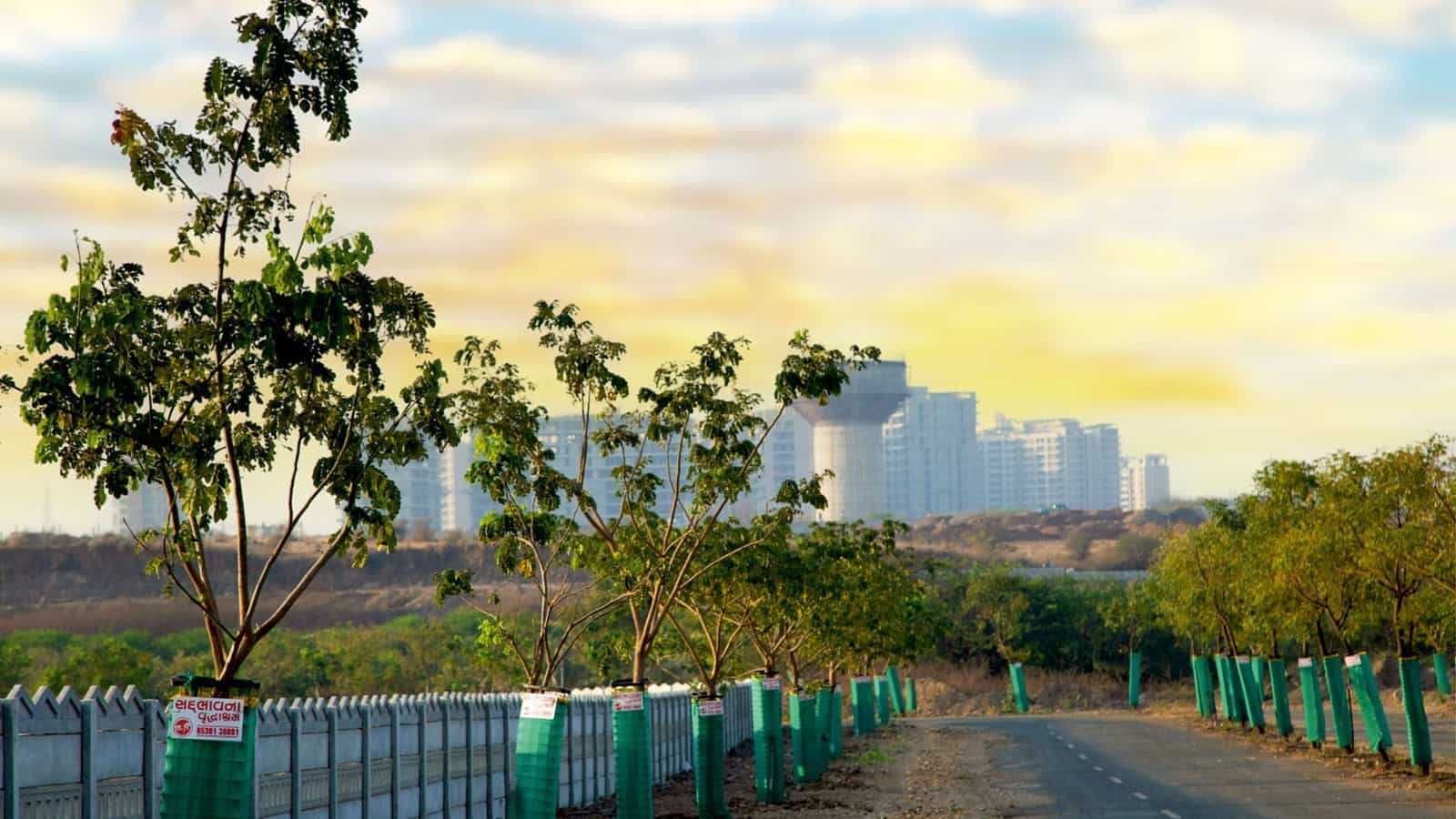
In today’s rapidly urbanizing world, green spaces are increasingly becoming a rare commodity. As cities expand, the natural landscapes that once thrived are being replaced by concrete and steel, leaving little room for nature to breathe. The consequences of this urban sprawl are far-reaching: rising temperatures, reduced air quality, and a loss of biodiversity. But what if we could bring nature back into our cities? What if we could recreate the forests that once stood where skyscrapers now rise?
Enter the Miyawaki Method – a groundbreaking technique that is transforming urban spaces into vibrant, dense forests, even in the most concrete-heavy environments. This method, pioneered by Japanese botanist Akira Miyawaki, has revolutionized the way we think about tree planting in urban settings. Unlike traditional tree plantation methods, which often rely on a handful of tree species, the Miyawaki technique promotes planting a wide variety of native plants that work in harmony to recreate the complex ecosystems that once existed naturally.
The results are nothing short of spectacular. Trees planted using the Miyawaki method grow much faster, develop greater biodiversity, and create forests that are resilient and self-sustaining. These urban forests require minimal maintenance once established and provide an immediate environmental benefit. The dense canopies formed by these forests can reduce the effects of the urban heat island phenomenon, absorb significant amounts of carbon dioxide, and restore biodiversity in areas that are otherwise devoid of natural ecosystems.
At Sadbhavna, we have embraced the Miyawaki method to combat the loss of green spaces in Rajkot and surrounding areas. In recent years, we’ve planted over 30 lakh trees across more than 225 Miyawaki plantations, each one flourishing as a miniature, self-sustaining forest within the urban fabric. These forests are not only visually stunning but also provide invaluable environmental benefits. They act as natural air filters, helping to reduce pollution and improve air quality. They mitigate the heat that radiates from urban surfaces, creating cooler, more comfortable environments. Additionally, these green spaces create safe havens for urban wildlife, offering them much-needed shelter and food.
The Miyawaki method’s impact goes beyond just improving the aesthetics of urban areas; it is a critical tool in fighting the environmental challenges our cities face today. In a world grappling with climate change, urban heat islands, and loss of biodiversity, Miyawaki forests offer a beacon of hope. By using native species, we restore local ecosystems, improve the quality of life for residents, and contribute significantly to climate change mitigation efforts. These urban forests act as carbon sinks, absorbing vast amounts of carbon dioxide and releasing oxygen, thus playing a vital role in maintaining a healthy, sustainable environment.
One of the most compelling aspects of the Miyawaki method is its ability to bring communities together. The process of planting and nurturing these urban forests fosters a deep connection between people and nature. It encourages individuals to take ownership of their local environment and be active participants in the restoration of natural habitats. Whether it’s schoolchildren learning about the importance of biodiversity, local residents participating in tree planting events, or businesses collaborating on environmental initiatives, the Miyawaki method inspires collective action for a greener, more sustainable future.
At Sadbhavna, we believe that the Miyawaki method is key to transforming urban areas into harmonious spaces where nature and humans coexist. But this is just the beginning. Our goal is to expand these efforts, bringing Miyawaki forests to more cities and regions, and inspiring others to adopt this method. The more we plant, the more we restore balance to our environment, one tree at a time.
We invite you to join us in this mission. Whether you’re a city dweller looking to create a green space in your neighborhood or an organization eager to contribute to the fight against climate change, the Miyawaki method offers a powerful solution. Together, we can plant not just trees but a future — a future where cities are not just places of concrete and steel, but vibrant ecosystems where nature thrives. Let’s work together to create cleaner air, cooler spaces, and healthier communities for generations to come.
Let’s plant the seeds for a greener tomorrow, today.