

Inside a Bull Shelter: Daily Care Practices That Ensure Animal Health and Well-Being
- 1 month Ago
- 4 Min Read
- 0 Comments
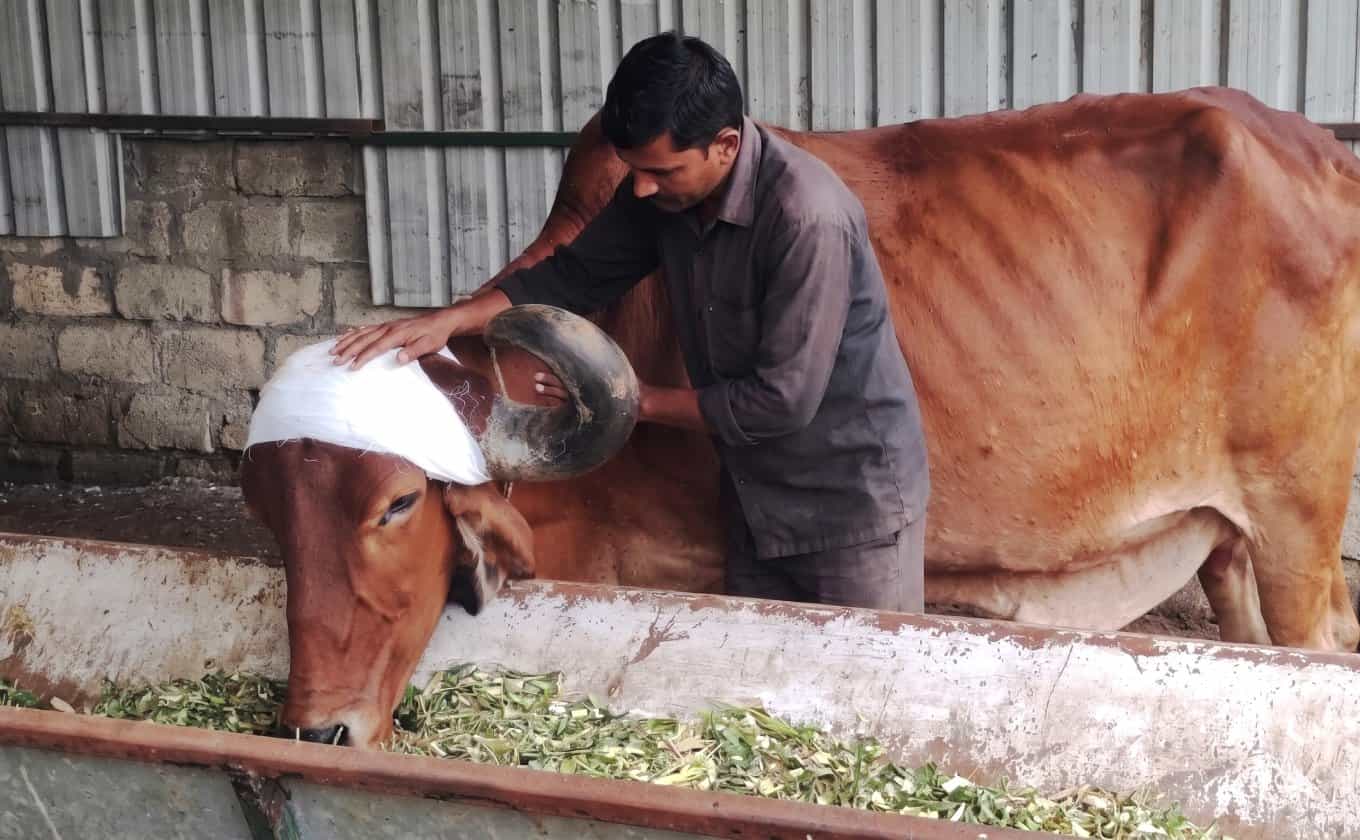
When most people hear the words “bull shelter,” a certain image forms almost instantly of overcrowded pens, filthy floors, animals packed together with barely room to move. It’s an easy assumption, but it’s also an outdated one. A well-run bull shelter is nothing like that stereotype. In fact, the better comparison isn’t a crowded holding pen at all it’s closer to an old-age home for bulls, a sadhbhavan vridhashram, where animals that have outlived their working years or been rescued from neglect are given space, dignity, and genuine care rather than being chased away or forgotten.
This shift in image matters because it changes how we think about animal shelters altogether. A good bull shelter isn’t a place where animals are merely “kept.” It’s a place where daily routines are built around one central goal: health and well-being. Here’s what that actually looks like, day to day.
Space That Respects the Animal
The first thing that separates a genuine shelter from an overcrowded holding facility is space. Bulls are large, physically active animals, and cramped conditions lead directly to stress, injury, and disease. A responsible shelter designs its layout so that each animal has enough room to walk, lie down, and move freely without being pressed against others. Open areas, shaded resting zones, and separation for sick or recovering animals are standard practice not luxuries.
A Clean Environment, Every Single Day
Cleanliness isn’t a once-a-week task in a well-managed shelter — it’s a daily discipline. Waste removal, fresh bedding, and regular disinfection of feeding and resting areas all happen on a set schedule. This isn’t just about appearances. Clean surroundings directly reduce the risk of infections, parasites, and hoof problems, which are among the most common health issues seen in poorly maintained shelters. Good sanitation practices are, in many ways, preventive medicine.
Structured Daily Nutrition
Rescued and aging bulls often arrive malnourished or in poor physical condition, so nutrition planning is treated as a core part of shelter management, not an afterthought. This typically includes:
- Fresh fodder and clean drinking water available at all times
- Nutrient-balanced feed suited to the animal’s age and health condition
- Special diets for weak, injured, or elderly bulls
- Fixed feeding times to maintain routine and reduce stress
Consistent, quality nutrition is often the single biggest factor in how quickly a rescued animal recovers its strength.
Daily Medical Care and Monitoring
A proper shelter functions much like a healthcare facility for its animals. Daily rounds allow caretakers to check for early signs of illness, injury, or discomfort, things that can be easy to miss if animals aren’t observed closely. Routine care usually includes:
- Daily health checks by trained staff or veterinarians
- Scheduled vaccinations and deworming
- Wound care and treatment for injured or rescued animals
- Isolation and specialized care for sick bulls to prevent spread of illness
This kind of consistent medical attention is what allows shelters to catch problems early, rather than reacting only once an animal is seriously unwell.
Shelter as Shade, Safety, and Rest
Physical shelter actually roofed, sheltered space protects animals from extreme heat, rain, and cold. Bulls housed without adequate covering are far more prone to heat stress and illness. Good shelters ensure covered resting areas are always accessible, along with proper ventilation so animals aren’t confined in stagnant, humid conditions.
Why the “Old-Age Home” Comparison Fits
The comparison to a vridhashram isn’t just poetic, it reflects the actual philosophy behind ethical shelter management. These are often animals that have been abandoned, injured, or are simply too old to work. A genuine shelter doesn’t drive them away or treat them as burdens. It gives them a place to live out their remaining years with proper food, medical attention, cleanliness, and space the same basic dignity we’d want for any living being in need of care.
The Bigger Picture
Daily care in a bull shelter isn’t glamorous work. It’s repetitive, hands-on, and requires consistency cleaning, feeding, checking, treating, day after day. But this steady routine is exactly what separates a genuine animal welfare institution from the overcrowded, neglectful image many people still associate with the word “shelter.” Space, cleanliness, nutrition, and medical care aren’t isolated tasks; together, they form the foundation of animal well-being.
The next time the words “bull shelter” come to mind, it’s worth picturing not chaos and
neglect, but quiet, consistent care in a place built to give animals exactly what they need to live safely and healthily.