

Some stories arrive quietly. This one did too. No big announcements, no planners and no speeches. Just a handful of villagers sitting together one sunny afternoon, slowly talking about the way things used to be. They were not trying to sound majestic; but they were simply remembering. And that is when they realized this itself was enough to begin change.
The elders spoke first. They remembered mornings when a light mist rested over the fields and evenings when people liked sitting outside because the breeze felt soft and cool. Children once played in the shade of tall trees and birds nested wherever they wished. Over time, the trees disapp
eared. One here. One there. Some for firewood, some to clear land, others just gone without anyone noticing when. At first, nobody thought too much about it. Later, they realized that the village did not feel the same anymore.
The summers turned harsh. By noon, the heat felt heavy. People avoided walking unless they had to and the children stopped staying outdoors for long. Birds were harder to spot, even the wells began drying earlier each year and the soil cracked like tired skin. Dust settled on doors and windows and even on conversations. Well, the work continued, because life must continue, but the land looked exhausted and so did the people, although they did not always say it aloud.
One evening, a small group of elders gathered, as they usually did, and the talk turned once again to the past. Someone mentioned the old peepal tree near the entrance of the village. Someone else remembered a tamarind grove where they used to play. The conversation was not gloomy. It simply felt like sitting with an old memory that still mattered.
Then one elder quietly asked, “What if we bring the trees back?”
Nobody laughed but nobody dismissed the idea either. It just stayed there, simple but strong. Planting trees in a dry, struggling village did not sound easy. But it sounded right. And in villages, when something feels right, it travels. It moved through chai stalls, temple steps, school grounds, evening walks, and quiet homes. Slowly, people began to talk about it more seriously.
The soil was stubborn, water was limited, and money was even more limited. But hope suddenly had a place to sit. Families contributed in small amounts. A farmer offered a section of his field to grow saplings. The schoolteacher encouraged children to help. Young men who worked in nearby towns returned whenever they could. Everyone found something they could do.
The elders became a gentle guiding force. They might not have been able to dig pits or carry heavy loads anymore, but they carried knowledge and memory. They spoke about neem trees and how their shade is wide and healing. They spoke about peepal trees and strong roots. They spoke about mango and jamun trees that children used to climb. While saplings were prepared, the elders shared these memories as if they were watering the soil with stories.
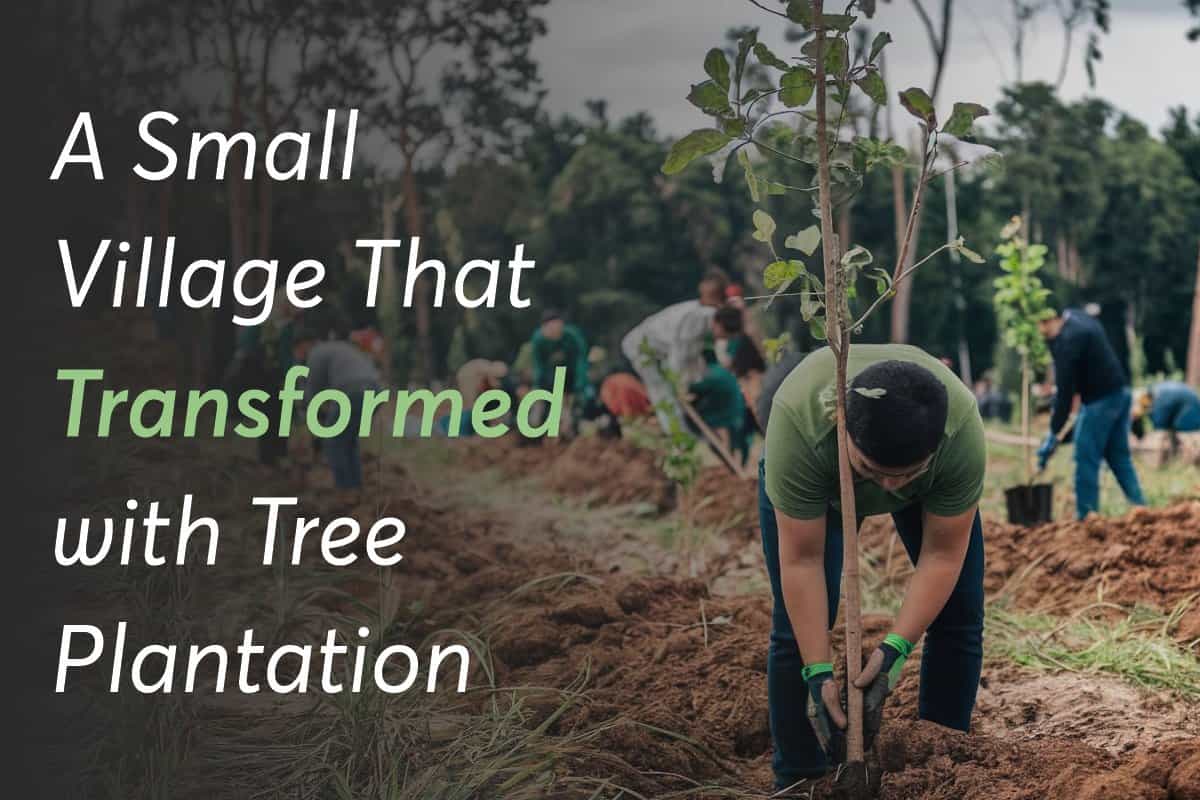
The first plantation took place when the monsoon arrived. The whole village seemed to come together that day. Grandparents blessed the saplings. Teenagers carried buckets of water. Children dug with their hands and went home muddy and happy. It was not organised in a perfect way. Some saplings leaned too much. Some were planted in places that were not ideal. A few were damaged by cattle soon after. But nobody allowed that to be the end. They replanted, they adjusted and they tried again.
Soon planting trees became part of life rather than a special event. Sundays were planting days. Then some people began doing it in the evenings too. After a while, it simply became a habit. Like sweeping the courtyard or sitting together after dinner. Just something the village did.
Summer arrived like a test. The real work began then. Families took turns watering the trees. Children were given small responsibilities. Some days only one person showed up. But that one person still came with a bucket and a simple belief that the tree deserved a chance. Not every sapling survived. It hurt when one dried out. But most survived. And when a tree lives, it feels like a quiet victory.
By the second year, there was green where there used to be dryness. Small plants had become young trees. Patches of shade started to appear again. The air did not burn the skin the way it once did. Sparrows returned first. Then parrots. One morning, a kingfisher appeared at the pond and the children ran to see it as if they had spotted treasure. Maybe they had.
Farmers noticed changes too. The soil held moisture for longer. Strong winds did not carry away the top layer of soil. Wells that usually dried in April still had water in May. But the best change was in people. Neighbours stood side by side more often. The young listened when the elders spoke. The village felt like a shared responsibility rather than a collection of houses.
There is a neem tree now with a simple wooden bench under it. Elders sit there in the afternoons. They talk. They rest. They watch children playing in the shade. One grandmother once said, very softly, “We planted trees for the air and water. But they gave us back each other.” She was right. The trees brought people together again.
For the elderly, this brought a special kind of peace. They knew they might not live to see the trees grow old and tall. But they also knew they had left something living behind. Something that would offer shade and fruit and calm to people they would never meet. That thought alone was enough to make the heart feel lighter.
This village is not famous. It is not in newspapers. It does not appear in awards lists. But if you walk through it today, you will notice something real. Cooler air, softer evenings, birdsong and smiles that come a little easier. The tree plantation did not remove every difficulty from life. There are still heavy days and uncertain seasons. But the land breathes a little better. So do the people.
Maybe that is what matters most. Change does not always require noise. Sometimes it is only a sapling placed into the soil, a bucket of water carried from a well, a conversation that begins without a plan, and the willingness to believe that tomorrow can be gentler than yesterday.
The spirit of Sadbhavana lives quietly in that village. It lives in the hands that plant trees without expecting anything in return. It lives in the hearts that decide to care anyway. And slowly, like the shade of a growing tree, that spirit spreads from one person to another, and hope starts feeling at home again.